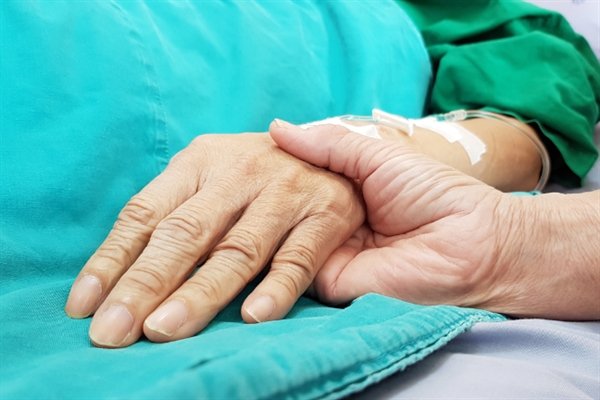
Image – Shutterstock: Ground Picture
According to new figures, three quarters of hospices in England are now running a deficit, raising serious concerns about what end of life care will look like if assisted suicide is legalised.
Data from Hospice UK shows that 75% of hospices report being in deficit at this stage of the financial year, up from 70% at the same point last year, which was already described as the worst year on record for the sector. The outlook is bleak, with 83% expecting their financial position to worsen further.
Hospices have already begun cutting back. At least 25 have reduced services since April last year, and two in five are planning further cuts in the year ahead. As a result, 380 hospice beds are currently out of use across England, despite growing demand for end-of-life support.
Hospices play a central role in caring for the dying, yet the majority of their funding comes not from government, but from charitable donations, fundraising, and charity shops. State funding covers only around 40% of hospice care.
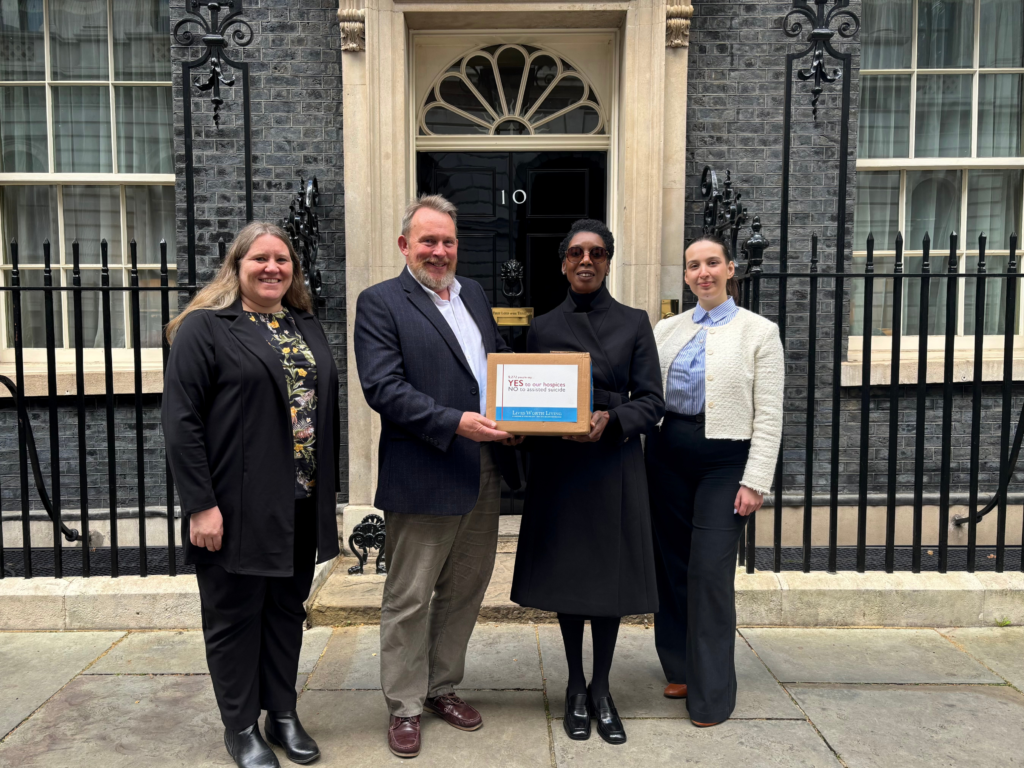
Toby Porter, chief executive of Hospice UK, warned that the sector is trapped in a “doom loop”, saying: “We can’t fundraise our way out of this crisis, skydiving won’t save hospices. We urgently need fair and long-term NHS funding to avoid a financial cliff edge.”
Porter also raised concerns about the direction of travel in Parliament, adding: “With assisted dying potentially on the horizon, we must make sure hospice care is available for everyone who needs it. Right now, with many hospices cutting services, it’s a real worry that people might choose assisted dying because they can’t get the care they need.”
That warning goes to the heart of the assisted suicide debate. Supporters insist it would be a matter of free choice, but when palliative care is underfunded, overstretched, or unavailable, choice becomes distorted. For the elderly, the disabled, or the terminally ill, the pressure to avoid being a “burden” can easily replace genuine consent.
These fears were recently heightened by a line of questioning given to the Health Secretary by Labour MP Josh Fenton-Glynn. When asked if the assisted suicide Bill’s implementation happening before palliative care targets are met was “safe”, the Health Secretary broke down into a bumbling and confused mess.
Barbara-Anne Walker, chief executive of Ashgate Hospice, said her hospice has been forced to close beds and cut jobs “not because they are not needed but because we can’t afford to keep them open”.
She described the situation as “heart-breaking”, pointing to people dying in hospital corridors while hospices are forced to scale back care.
Commenting on the situation the CEO of SPUC, John Deighan, said, “As both the parliaments in London and Edinburgh continue to debate assisted suicide, they must heed the fact that the notion that they are providing people with an entirely free “choice” to die is not accurate. External forces like worsening palliative care conditions, feeling burdensome to one’s family, and financial pressures cannot be prevented or legislated away. Giving people true freedom in the final days of life is done by bettering the quality of end-of-life care for the sake of easing pain and bringing joy, not by allowing them to be coerced into suicide by subpar hospice care. MPs, Peers, and MSPs must remember that palliative care will only get worse under an assisted suicide regime.”
“SPUC calls for a rejection of state suicide and the betterment of end-of-life care.”
If you’re reading this and haven’t yet donated to SPUC, please consider helping now. Thank You!