

How can I take action?
Since its introduction, SPUC has actively opposed the two-child benefit cap, lobbying politicians and raising public awareness about its impact on families and child welfare.
To help us continue this work please sign the petition below and share this page with your networks and on social media.
Sign The Petition
Related Articles
-

SPUC authors open letter to Glasgow officials: Protect homeless pregnant women and their children
Image Source: Shutterstock SPUC’s Executive Director Michael Robinson has authored a letter to all members of the Glasgow Council, Council Chief Executive, and every Glasgow MP and MSP. This comes after the charity Homeless Project Scotland refused emergency housing to a 34-week pregnant mother fleeing abuse. One staff member said…
-

British taxpayer shells out £254 million to stop the births of 14 million children in Afghanistan and Yemen
Image Source: Shutterstock Under the guise of helping “millions of women gain greater choice over pregnancy,” the Foreign, Commonwealth, and Development Office (FCDO) has announced a new funding provision to flog abortion and contraceptives in developing countries at the expense of the British taxpayer. The foreign aid package would make…
-
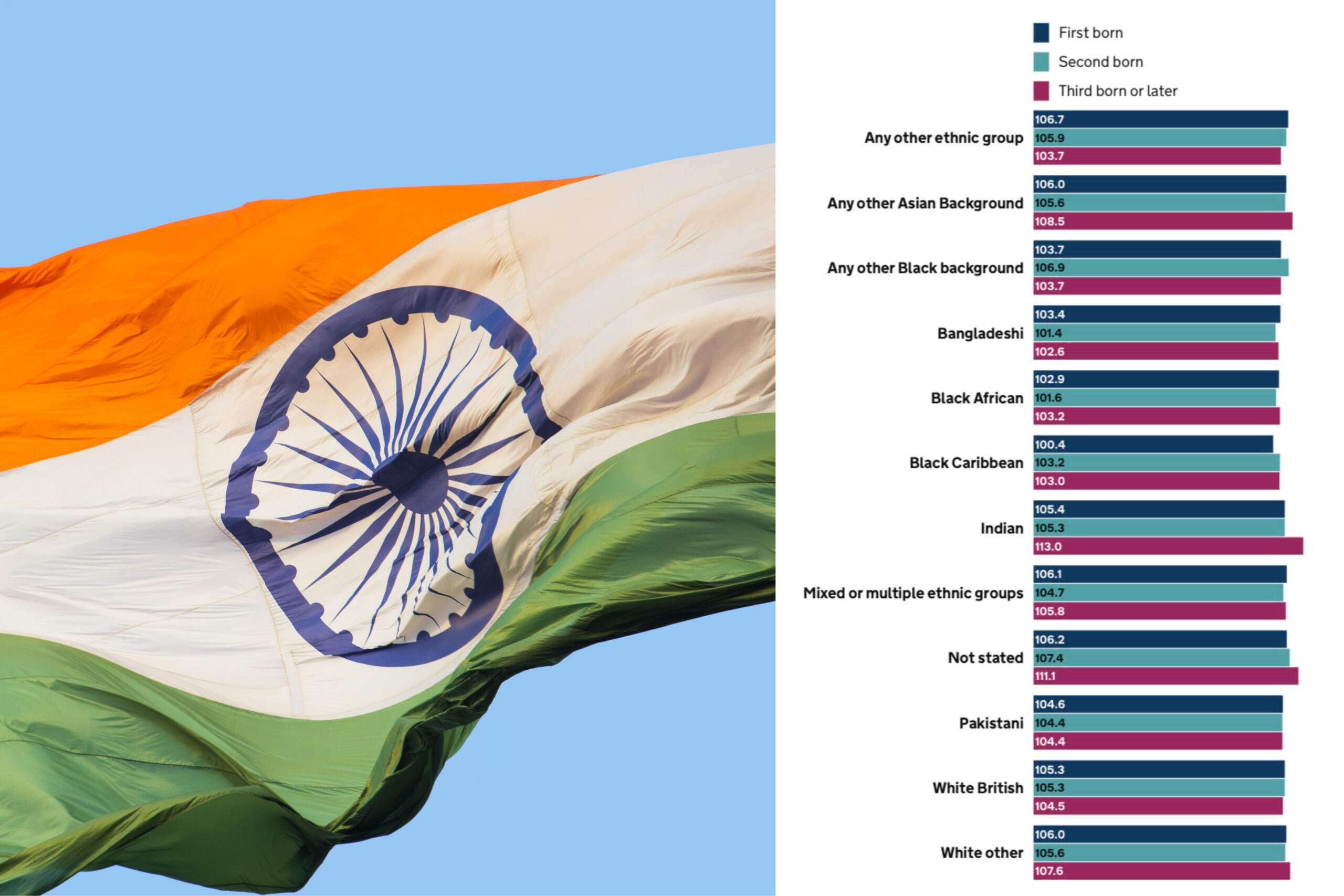
New Government statistics show “statistical imbalance” among Indians in Britain that alludes to widespread sex-selective abortion
Image Sources: Shutterstock | Department for Health and Social Care New statistics released by the Department for Health and Social care on the sex ratios at birth in the United Kingdom show a disparity, particularly among those of Indian origin, that suggest the nation’s taxpayer-funded abortion regime is being used…
-

Italy sees first assisted suicide death through state-managed health service
Image Source: Shutterstock A man in Lombardy has become the first person in Italy to die by assisted suicide in a procedure entirely managed by a regional health service, raising concerns about the transformation of healthcare from preserving life to facilitating death. Domenico Zuccarella, 59, died by assisted suicide on…
-

Healy-Rae brothers back Bill to recognise unborn babies as victims of crime in Ireland
Independent TDs Michael and Danny Healy-Rae have backed proposed legislation which would recognise unborn babies as victims of crime in Ireland, supporting a Bill aimed at closing what its supporters describe as a serious gap in the country’s criminal justice system. The Criminal Justice (Unborn Victims of Crime) Bill 2026,…
-

The ‘Catch Kits’ Exposing the Uncomfortable Reality of Abortion Pills
A proposed Bill in the United States requiring women taking abortion pills at home to collect and return the remains of their unborn children has reignited debate about the reality of abortion outside a medical setting. The Don’t Flush Babies Act, introduced by Republican Congresswoman Sheri Biggs, would require women…
-

The Moral and Human Cost of IVF: A Critical Look at the Fertility Industry
Image Source: Envato IN MAY 2026, the UK Government introduced the Health Bill to the House of Commons. In October, it transitioned to the House of Lords, where Peers have so far tabled 1111 amendments. Amid this sea of proposals is a small raft of amendments relating to in vitro…
-
Embryos suspected to “have depression” could be destroyed due to new screening technology
Image Source: Envato A biotechnology company has developed a new genetic screening tool allowing parents undergoing IVF to select embryos according to their predicted likelihood of developing depression, raising fresh concerns about the growing use of reproductive technology to select children based on desirable characteristics. Herasight, a company specialising in…