Image Source: Envato
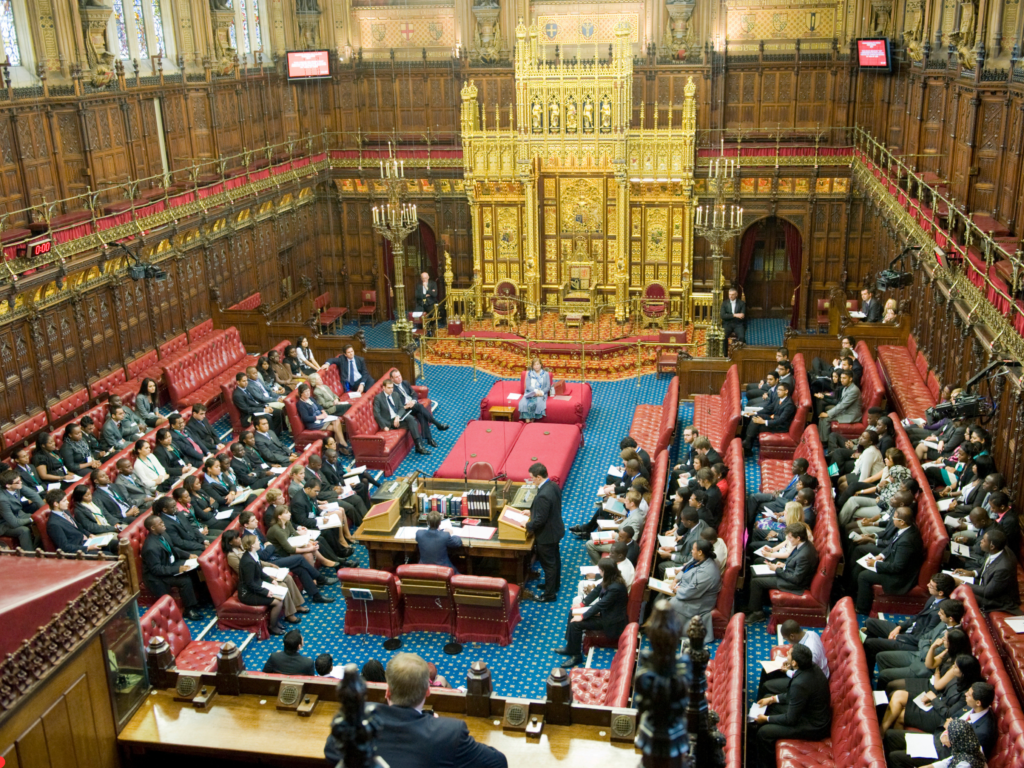
IN MAY 2026, the UK Government introduced the Health Bill to the House of Commons. In October, it transitioned to the House of Lords, where Peers have so far tabled 1111 amendments. Amid this sea of proposals is a small raft of amendments relating to in vitro fertilisation. Unfortunately, none of these address the true nature of IVF and how it routinely violates human dignity.
The public conversation around In Vitro Fertilisation (IVF) is frequently framed around hope, joy, and the celebration of new life. However, beneath the media image lies a complex web of ethical dangers, commodification, and a massive commercial industry that demands closer scrutiny. When we look past the marketing, the reality of IVF raises profound questions about how our society values human life, treats women, and prioritises the wishes of adults over the rights of children.
The Commodification and Loss of Embryonic Life
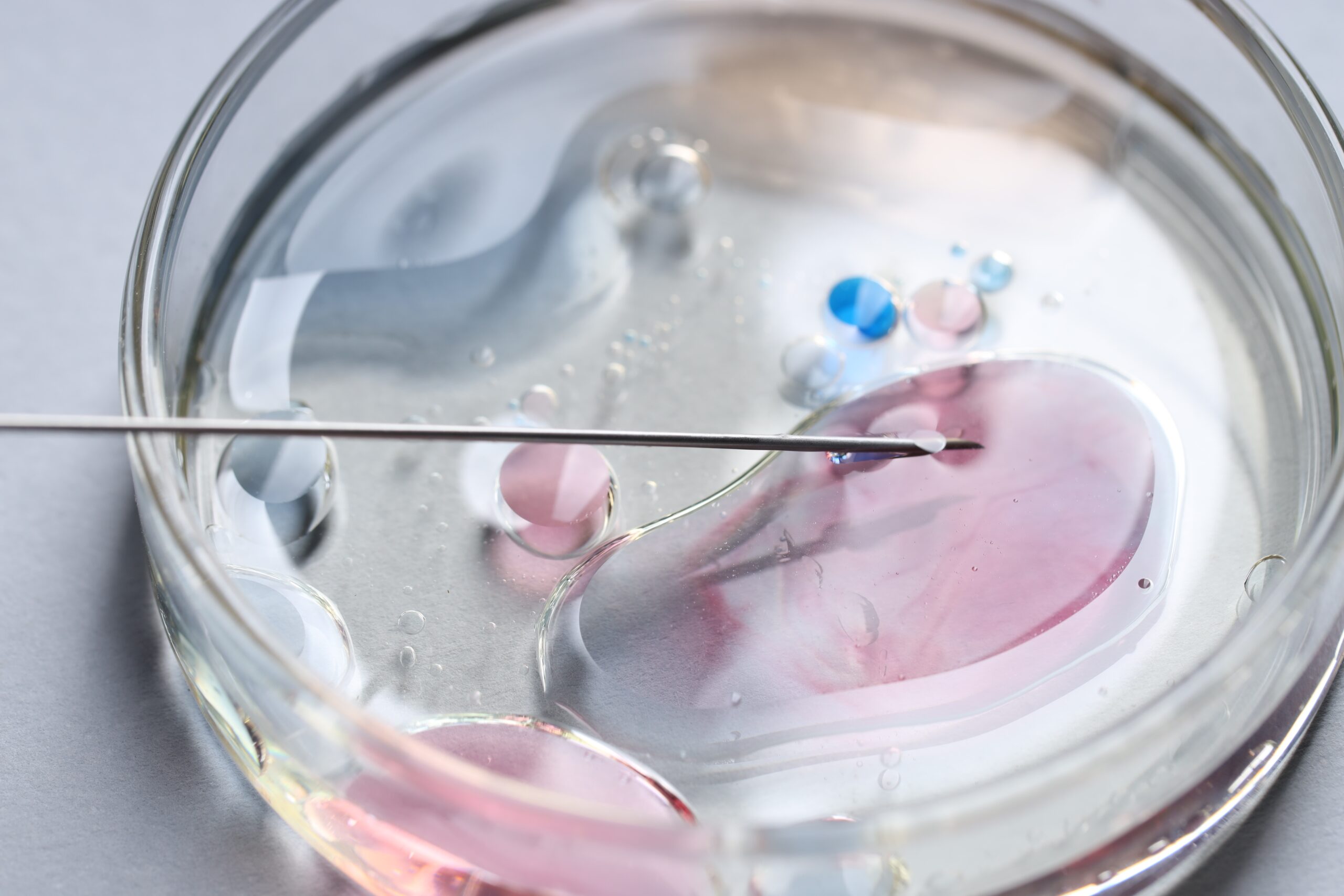
At its core, standard IVF practice routinely produces far more embryos than could ever reasonably be brought to term. This overproduction creates a tragic “surplus” of human life. The vast majority of embryos conceived in vitro will never see the light of day. Instead, they face a precarious future: destined for indefinite storage in liquid nitrogen, subjected to medical experimentation, or ultimately discarded; left to thaw and washed down a laboratory drain.
The entire IVF framework transforms human embryos into commodities. Because ongoing storage requires continuous funding, couples who can no longer afford the annual fees face agonising decisions, often resulting in their embryos being disposed of by clinics. What begins as a quest to create life frequently ends in a clinical disposal process, devaluing human life at its earliest and most vulnerable stages.
Industry Revenue vs Patient Reality
The global fertility market is a multi-billion-pound industry, yet its actual success rates remain strikingly low. The “take-home baby rate”—the percentage of IVF cycles that result in a live birth—is far lower than many consumers realise. This stark gap between high costs and low success rates has led to accusations that the IVF industry exploits vulnerable people, particularly women.
The physical toll on women is immense. Egg harvesting requires intense, high-dosage hormone regimens that carry significant health risks, including Ovarian Hyperstimulation Syndrome (OHSS). Furthermore, the growing trade in human gametes (eggs and sperm) has turned human reproductive material into a commercial asset, creating a market where human traits and biological components are bought, sold, and donated in exchange for treatment.
Prioritising Adult Desires Over Children’s Rights
Every child has an inherent right to be raised by his or her biological parents in a stable home environment. While adverse circumstances—such as tragedy, illness, or bereavement—can unpredictably disrupt this ideal, IVF can make the separation of children from their biological parents a deliberate, structural choice. This is particularly evident in cases involving third-party gamete donation or surrogacy, where a child will be intentionally severed from one or both biological parents before conception even occurs. By treating children as solutions to adult desires or lifestyle choices, the practice puts the demands of adults ahead of the fundamental human rights of the children produced.
Bypassing Infertility Instead of Curing It
A major medical critique of IVF is that it does not actually cure or treat the root causes of infertility. It merely attempts to bypass them, leaving the underlying reproductive health issues unresolved.
Alternative approaches, such as Natural Procreative Technology (NaProTechnology), focus instead on diagnosing and treating the root medical causes of infertility in both men and women, aiming to allow couples to conceive naturally. Despite maintaining a strong track record of success, restorative reproductive therapies like NaPro do not command the massive, recurring fees that fertility clinics can charge for repeated IVF cycles, leaving them vastly underfunded and overshadowed by the commercial fertility industry.
The Link to “Selective Reduction” and the Devaluation of Life
The normalisation of IVF has also shifted broader social and legal frameworks regarding human life. In the UK, the passage of the Human Fertilisation and Embryology Act 1990 simultaneously amended abortion law to permit “selective reduction.”
Because fertility clinics frequently transfer multiple embryos to increase the chances of at least one successful implantation, pregnancies with multiple foetuses are not uncommon. When three or more embryos successfully implant, women are routinely offered a selective abortion to eliminate some of the developing babies while allowing the pregnancy to continue with the survivors. A solution of potassium chloride is injected into the chest of each child selected for death. This clinical calculation—deciding which children live and which are terminated within the same womb—further illustrates how the practice dehumanises life at its earliest stages.
Conclusion
While IVF is framed by many as a life-affirming medical miracle, a comprehensive look at the industry reveals a profound cost. By creating an environment where human embryos are frozen, experimented on, bought, sold, and discarded, the practice of IVF has contributed to a broader devaluation of human life across society. Confronting these ethical realities is essential if we wish to build a culture that truly respects the dignity of both women and children.