A proposed Bill in the United States requiring women taking abortion pills at home to collect and return the remains of their unborn children has reignited debate about the reality of abortion outside a medical setting.
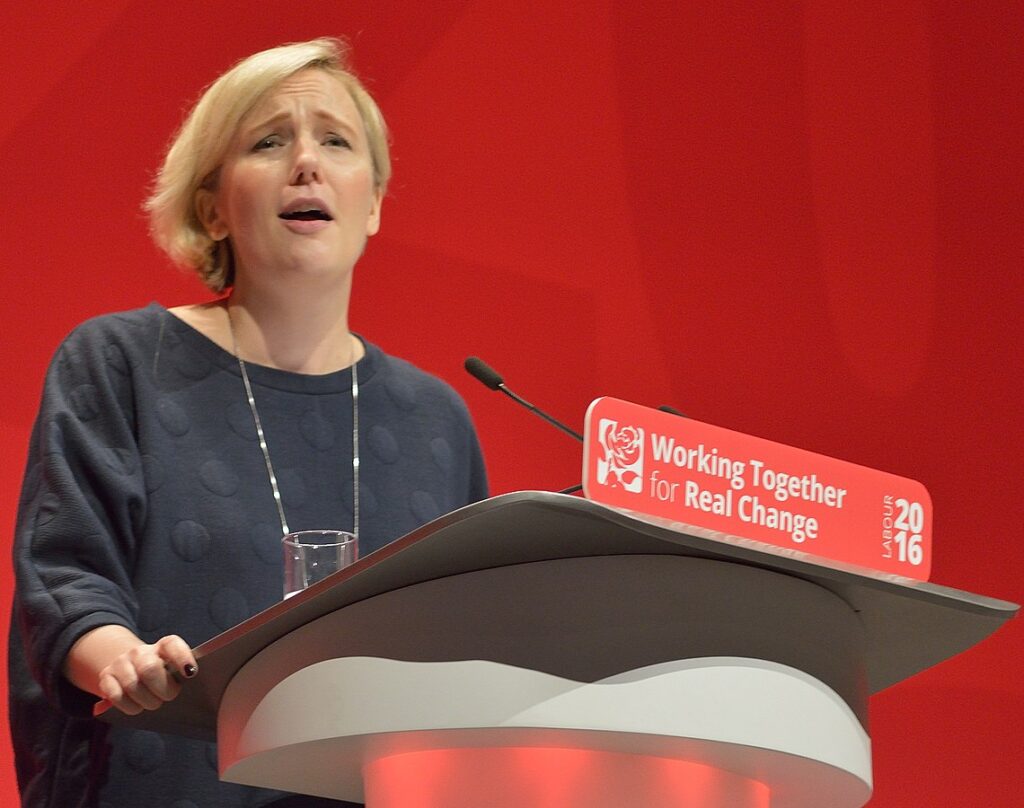
The Don’t Flush Babies Act, introduced by Republican Congresswoman Sheri Biggs, would require women prescribed abortion drugs to receive a ‘catch kit’ containing two leak-resistant containers, one labelled ‘Human Fetal Remains’ and the other ‘Solid Medical Waste’.
Women would be instructed to collect the remains and return them to their abortion provider, who would arrange for burial or cremation. The Bill also requires abortion pill packaging to carry a warning stating: ‘Do not flush the fetus or solid medical waste generated by the use of this drug.’
Those who dispense abortion pills without providing the kits could face fines of up to $150,000 and five years in prison. The legislation has been referred to a House committee and has not yet become law.
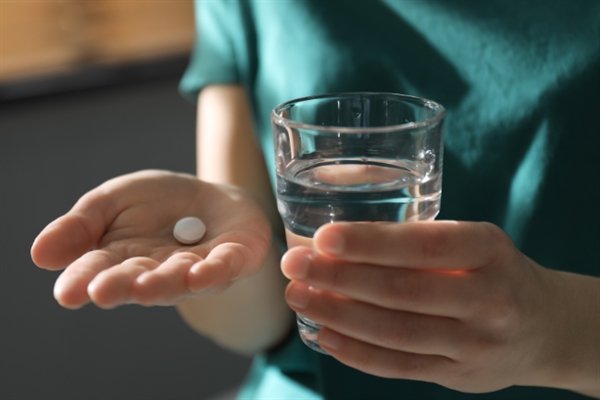
The proposals highlight an uncomfortable reality for the abortion industry: abortion pills do not simply end a pregnancy. They cause the death and expulsion of an unborn child, whose remains must then be dealt with.
There is a striking parallel in Scotland, where a similar idea has been presented as an innovation in compassionate miscarriage care.
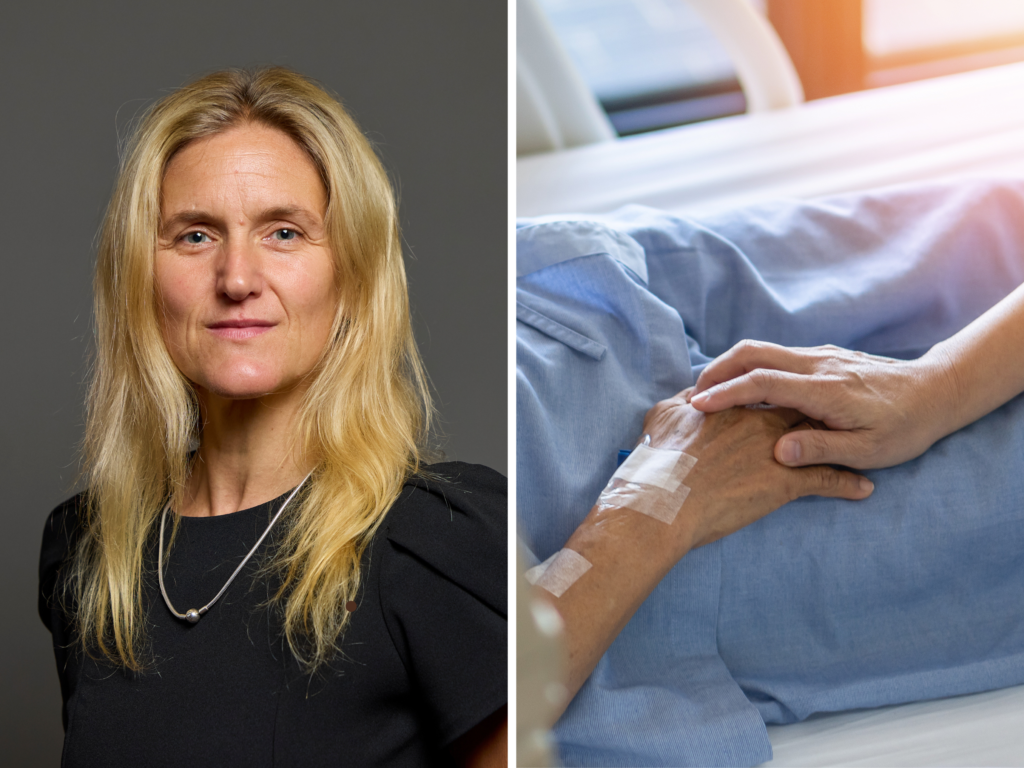
NHS Greater Glasgow and Clyde has introduced miscarriage collection devices in three hospitals. The devices fit beneath a toilet seat and contain a removable sieve, allowing women experiencing miscarriage to collect their baby’s remains at home.
The BBC portrayed the initiative as offering women greater dignity and control during an extremely distressing experience. It followed the experience of Scottish engineer Laura Corcoran, who developed the device after having to use a kitchen sieve to collect her own baby’s remains.
Yet the contrast raises important questions. When a baby is lost through miscarriage, collecting the remains is rightly recognised as an acknowledgement of the child’s humanity and the parents’ grief. When the same physical reality arises following an induced abortion, however, acknowledging what has happened becomes much more contentious.
A SPUC spokesperson says “These devices may offer a solution in difficult circumstances, but the fact that women must manage such experiences at home deserves serious consideration.We know that 1 in 17 women needed the hospital due to DIY abortion. Ultimately, the circumstances of a baby’s death do not change what that baby is. Whether through miscarriage or abortion, the remains are those of an unborn human being.If Scotland can recognise the importance of treating unborn children with dignity after miscarriage, it should not shy away from acknowledging the same humanity when their lives have been deliberately ended by abortion.”