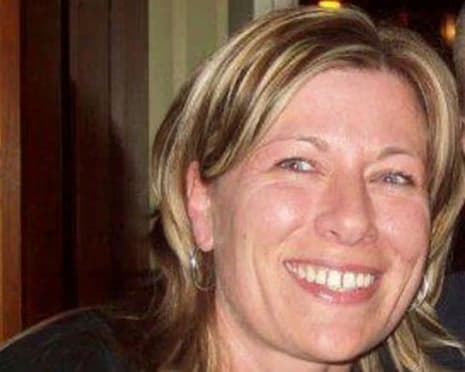
Image – Facebook: Wendy Duffy
A British mother has travelled to Switzerland to euthanise herself despite having no physical ailments.
Wendy Duffy, 56, travelled to the Pegasos clinic in Switzerland to end her life despite not suffering from a terminal illness. Her decision followed the devastating death of her only son, Marcus, and her family have spoken of the profound grief that shaped her final years. Described as “very strong-willed,” she had told loved ones she would not change her mind, insisting: “I want to die, and that’s what I’m going to do… I’ll have a smile on my face when I do.”
Her death comes at a moment when assisted suicide legislation in the UK has just collapsed. The Terminally Ill Adults Bill, which sought to legalise assisted dying for those with a prognosis of six months or less, ran out of parliamentary time after months of intense scrutiny and more than 1,200 amendments. Critics warned safeguards were not robust enough to protect vulnerable people. While supporters say the bill will return, its failure has, for now, halted its progress.
The Pegasos clinic, where Duffy died, has come under increasing scrutiny. The experience of Alastair Hamilton, a 47-year-old British teacher, illustrates why. Hamilton travelled to the same clinic in secret, telling his family he was visiting Paris. His mother only discovered the truth after reporting him missing. He had been struggling with health concerns but had no confirmed diagnosis, and no meaningful attempt was made to ensure his family were aware of his plans.
His mother later described the devastation of being denied the chance to intervene, saying families are “robbed of that chance” to support or persuade loved ones to reconsider. Even the clinic’s own guidance suggesting families should be informed was not followed.
Taken together, these cases raise concerns that allowing assisted suicide risks the procedure becoming not just a last resort for the terminally ill but an option for those experiencing emotional or psychological distress.
Developments in Canada sharpen those concerns further. Claire Elyse Brosseau, a 49-year-old woman from Toronto, has been campaigning to be eligible for Medical Assistance in Dying despite not having a physical illness. She has lived for decades with multiple mental health conditions, including Bipolar I disorder, post-traumatic stress disorder, and disordered eating. She describes waking each day with an overwhelming sense of “dread and panic” and says her suffering feels unbearable.
Brosseau has even attempted to end her life previously, but now argues she should be able to do so legally, surrounded by family. She has criticised the Canadian parliamentary committee reviewing assisted dying laws for not hearing directly from people like her, saying: “I don’t understand how they can just build this policy about us, without us.”
Canada is already one of the most expansive jurisdictions for assisted suicide, with more than 76,000 deaths since 2016. The country is now considering extending eligibility to those whose sole underlying condition is mental illness, a move that has sparked significant concern among clinicians, ethicists, and disability advocates.
This is the trajectory many critics fear: a gradual widening of criteria, where assisted suicide shifts from an exceptional measure for the dying to a broader response to suffering of many kinds.
Commenting on the situation, SPUC CEO John Deighan said: “Wendy Duffy’s grief was real and her suffering profound, but the answer offered to her was not long-term support, community, or renewed meaning. It was a pathway to death.
“A society is ultimately judged by how it treats those in its most vulnerable moments. If those facing trauma, depression, or despair are offered assisted suicide as a solution, it risks sending a message that their lives are expendable. Yet the dignity of a person is not diminished by suffering. Lives marked by grief, illness, or hardship remain as valuable as any other.
“The tragedy is not only that Wendy Duffy died but that systems exist abroad that increasingly paint such deaths in a positive light.
“We are glad to have played a part in the defeat of the assisted suicide bills in both Westminster and Holyrood, but society must now look at how we care for the vulnerable to prevent the suffering of exasperated people being shipped overseas.”
If you’re reading this and haven’t yet donated to SPUC, please consider helping now. Thank You!