Image: Shutterstock – Castletown, Isle of Man
The Isle of Man’s assisted suicide legislation has received Royal Assent, bringing the island a step closer to legalising assisted suicide for terminally ill adults, despite sustained opposition from campaigners and medical professionals concerned about the risks to vulnerable patients.
The law will allow adults who have lived on the island for at least five years and have a terminal illness with a life expectancy of 12 months or less to request an assisted suicide. However, the service cannot begin until the Manx government has completed the necessary preparations, with relevant provisions of the Capacity Act currently expected to come into force by April 2028.
The island became the first jurisdiction in the British Isles to pass assisted suicide legislation when Tynwald approved the Bill in March 2025. Amendments were subsequently required before Royal Assent could be granted. Jersey’s assisted suicide legislation received Royal Assent in July this year.
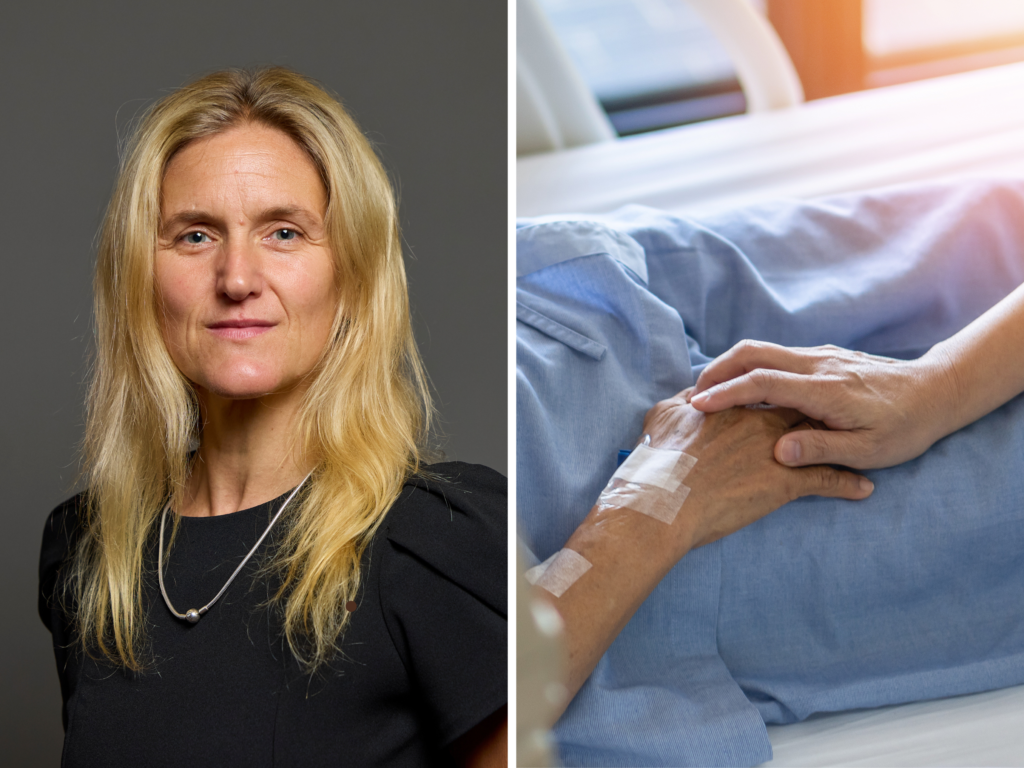
Supporters have celebrated the development as a victory for personal choice. Dignity in Dying’s chief executive, Sarah Wootten, called it a “historic and deeply emotional day”, arguing that terminally ill people should have the option of an assisted suicide if their suffering becomes unbearable.
Alex Allinson, the former Ramsey MHK who introduced the Bill, said its passage marked the culmination of decades of campaigning by island residents and politicians.
However, opponents have warned that legalising assisted suicide creates serious risks, particularly for people who may be vulnerable because of illness, disability, age, or a sense that they are a burden on others.
Manx Duty of Care said it was “deeply disappointed” by the granting of Royal Assent and called for newly elected members of Tynwald to introduce legislation repealing the law. The group also argued that the legislation breaches the European Convention on Human Rights, the Isle of Man NHS Act, and the United Nations Convention on the Rights of Persons with Disabilities.
The Isle of Man Medical Society has also maintained its opposition, warning of “profound risks” to healthcare, vulnerable patients, and the medical profession. Its concerns include the regulation of ‘medicines’ used in assisted suicide and the involvement of Manx Care in administering or delivering the procedure.
The society has called for comprehensive protection for healthcare professionals who conscientiously object, insisting that no doctor, nurse, or pharmacist should be compelled to participate in an assisted suicide.
The central question remains whether assisted suicide can be introduced without placing additional pressure on people who are already facing serious illness and uncertainty.
Although Royal Assent marks a significant legal milestone, assisted suicides will not begin immediately. The government has said the service will not start until it is confident that the necessary arrangements are in place.
Peter Kearney, SPUC’s Communications Manager, said: “The granting of Royal Assent is a deeply concerning development for the protection of vulnerable people on the Isle of Man. Legalising assisted suicide changes the relationship between patients and healthcare professionals, with potentially profound consequences for those who are elderly, disabled, seriously ill, or fearful of becoming a burden.
“People facing a terminal diagnosis deserve compassion, dignity, and the very best palliative care. The answer to suffering must be to strengthen the support available to patients and their families, not to introduce a system in which helping someone to end their life becomes a recognised part of healthcare. The government must take the concerns raised by medical professionals and disability rights advocates seriously before implementation proceeds.”