
Posts tagged
UK
-

Warnings that London secondary schools may soon be forced to close due to falling pupil numbers are the latest visible consequence of a much deeper demographic problem.
-
In a late-night session in the House of Lords, peers yesterday delivered a powerful challenge to proposal to radically alter the legal framework governing abortion in the UK.
-
In the UK, 90% of babies diagnosed with Down’s syndrome in the womb are aborted. What do we think this more efficient test will be used for?
-
Critics of the Assisted Suicide Bill are becoming increasingly frustrated as the Bill’s sponsor refuses to engage with their concerns.
-
The unusually blunt language has raised eyebrows across Westminster, not least because the APM has historically been careful and restrained when engaging on assisted suicide.
-

More than 250 doctors and senior healthcare professionals in Wales have issued a stark warning to politicians
-
Major takeaways from last week’s House of Lords debate on assisted suicide.
-

Scottish Government to be given power to authorise the use of “death row drugs” for assisted suicide
Labour Ministers have been accused of interfering in Scottish affairs and trying to bury bad news by making the announcement on the last day of Parliament before Christmas.
-

The Health Secretary was left speechless after being asked to consider whether the introduction of assisted suicide in England and Wales would be safe.
-
The leaked policy note has raised serious questions about the Government’s claimed neutrality on assisted suicide.
-

The Northern Irish Department for Health have released their annual abortion statistics and they show a consistent increase in elective abortions.
-
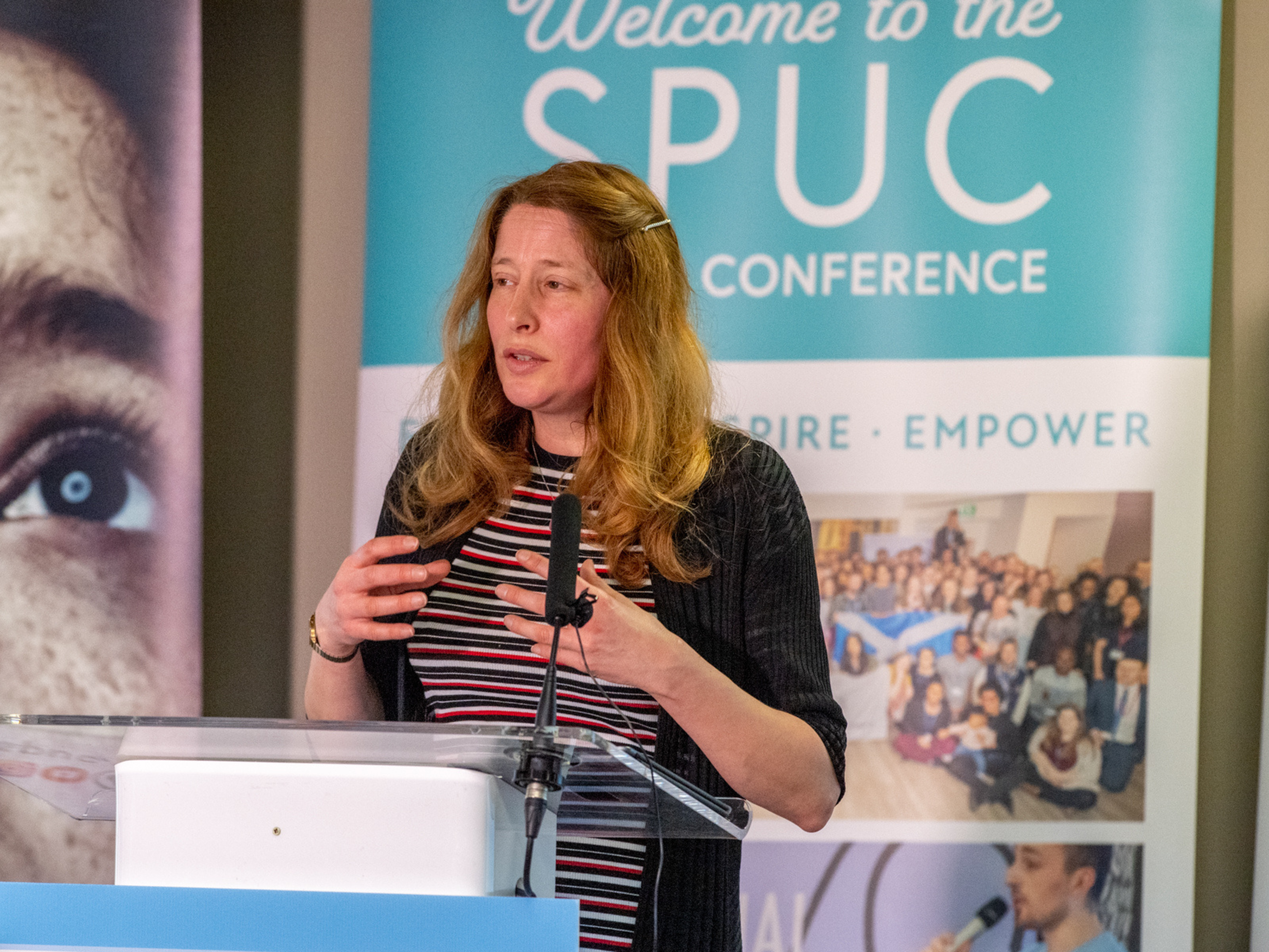
Pro-life campaigner Isabel Vaughan-Spruce has lived under legal uncertainty for almost a year as the police and CPS continue to decide whether to charge her for silent prayer.
-
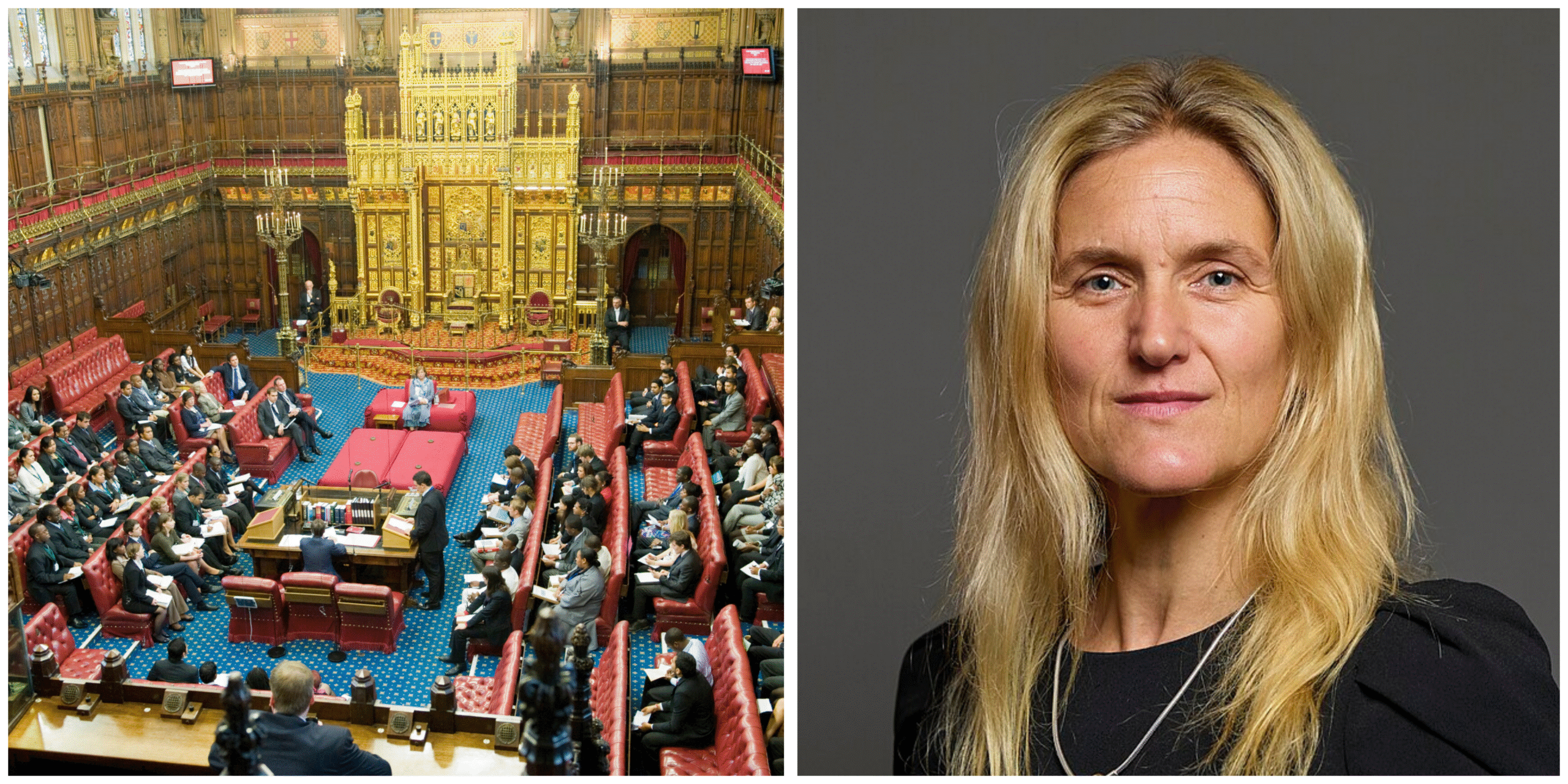
In a dramatic turn of events, the battle over the legalisation of assisted suicide in England and Wales is now on course to continue until late April 2026.
-
Together these amendments seek to protect both unborn children and vulnerable girls.
-

Kit Malthouse has raised concerns that technical or procedural manoeuvres are being used in the House of Lords to block the assisted suicide Bill.