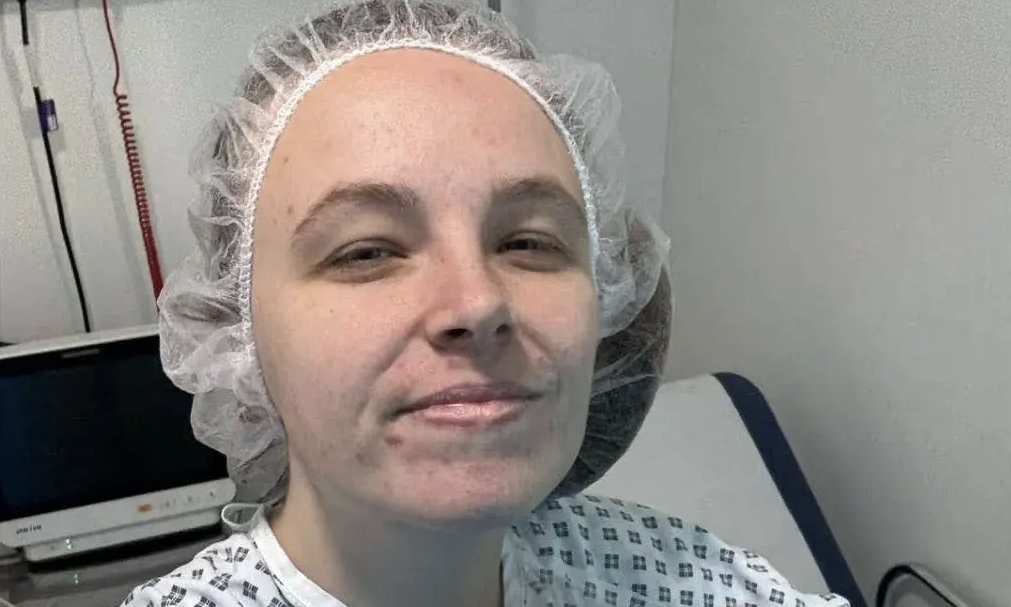
Image Source: Alannah Dunn – IVF & Baby Loss journey /Facebook
A British woman who sought to become a mother through an unregulated sperm donation arrangement before turning to IVF sought an abortion after her 24-week-old daughter received an unwanted prenatal diagnosis, before she herself nearly died from serious abortion related complications.
Alannah Dunn, 22, was living in New Zealand when she decided she no longer wanted to wait for a relationship before having a child. Rather than pursuing treatment through a licensed fertility clinic, she initially joined a Facebook group connecting prospective mothers with sperm donors.
She later met a local man who agreed to donate sperm privately, with the pair signing an agreement stating he would have no parental rights or responsibilities towards any child conceived. The Human Fertilisation and Embryology Authority has repeatedly warned against using unregulated sperm donors, citing risks including sexually transmitted infections, legal disputes, and donor-conceived children unknowingly having large numbers of biological half-siblings.
After the arrangement failed to result in a successful pregnancy, Dunn returned to the UK and sought treatment at a private IVF clinic.
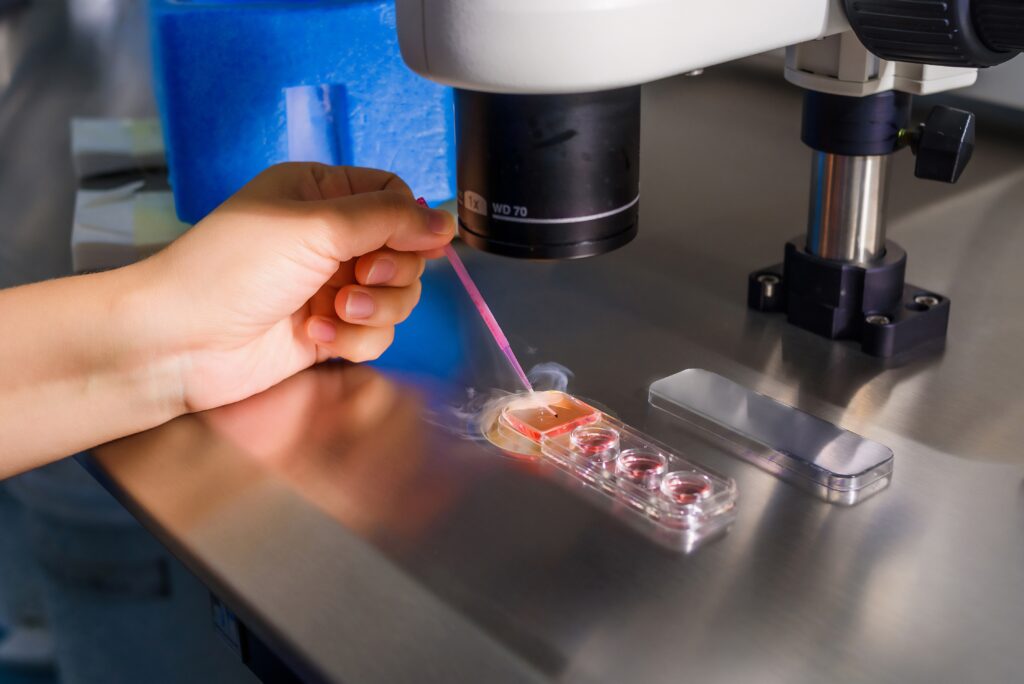
To reduce the cost of treatment, she entered an “egg sharing” scheme, under which she donated nine of the 18 eggs retrieved from her ovaries to strangers in exchange for discounted IVF. Of the nine eggs she retained, three embryos survived to the blastocyst stage.
Following an unsuccessful embryo transfer and recovery from ovarian hyperstimulation syndrome, a recognised complication of IVF treatment, Dunn became pregnant after a second transfer.
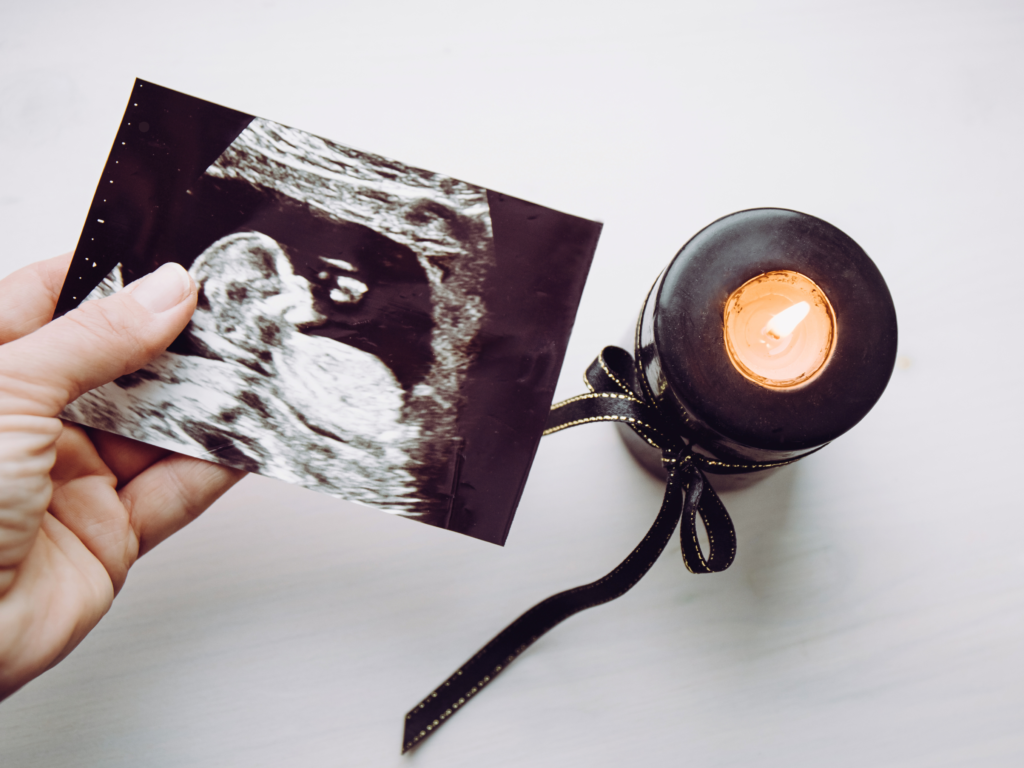
However, at her 20-week scan doctors diagnosed her daughter, whom she named Effie, with bilateral renal agenesis, meaning she had possibly not developed kidneys or a urinary tract. Doctors said she would be unlikely to survive after birth.
At 24 weeks’ gestation, Dunn chose to abort her daughter. Effie first received a lethal injection into her heart before labour was induced two days later. Dunn later said she spent two days with her daughter’s body using a cooling cot before saying goodbye.
The abortion was followed by life-threatening complications. Dunn suffered a severe haemorrhage, losing more than 2.5 litres of blood because part of the placenta remained inside her uterus. She required emergency surgery and later said she came close to losing both her life and her uterus.
She now has one frozen embryo remaining and is raising money to undergo another embryo transfer.
Addressing the situation, Michael Robinson, SPUC’s Executive Director, said: “This is another troubling story of abortion being viewed as mercy killing. Miss Dunn intentionally killed her child before spending days with her lifeless corpse because the doctors had deemed the baby to be imperfect. This is not a mercy killing. It is evil.
“This case highlights the exploitative nature of modern fertility treatment through “egg sharing” schemes, the willingness to intentionally deprive a child of her father, and the eugenic abortion culture that leads to babies being tossed aside when they don’t match the preconceived desire of the parents.
“Rather than affirming the equal worth of every human being, the fertility industry risks treating children as products whose value depends on whether they meet adult expectations. Embryos are created, selected, frozen, exchanged, or lost, while unborn babies diagnosed with serious disabilities can become candidates for abortion. Every human life has inherent dignity, regardless of disability or prognosis, and a diagnosis should never determine whether a child is allowed to live.”