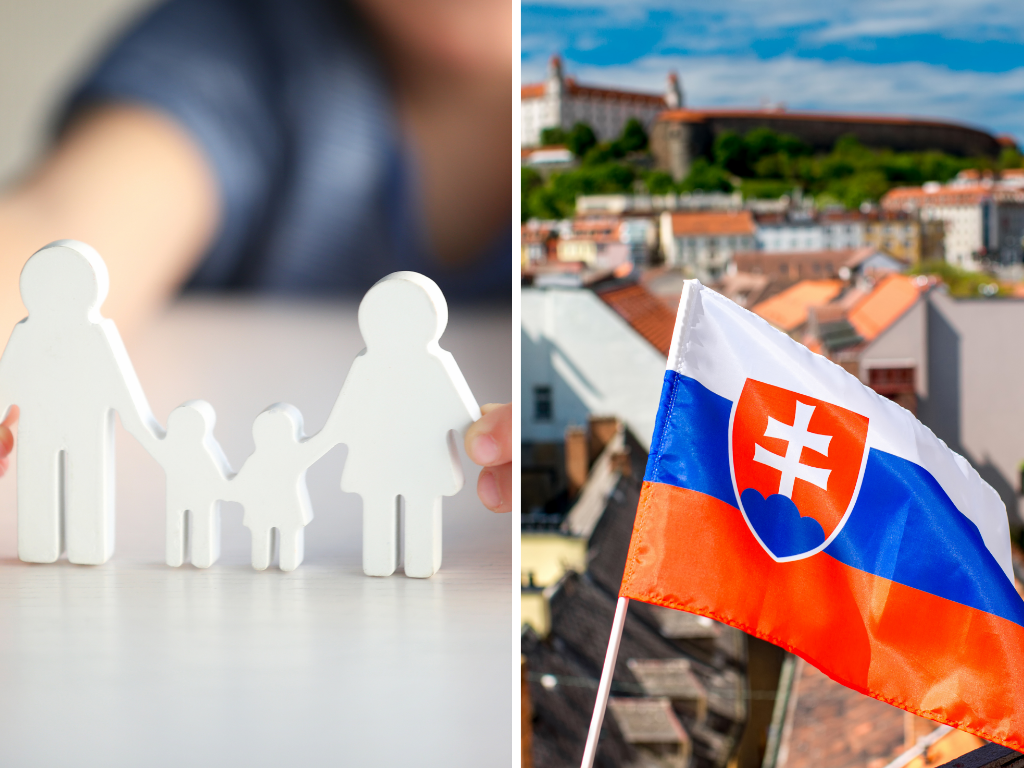
Left Image – Shutterstock: Africa Studio; Right Image – Shutterstock: RossHelen
Slovakia’s parliament has narrowly passed a set of laws which will reshape the country’s understanding of family, gender, and the rights of children. The legislation recognises only two sexes, male and female, and more significantly bans adoption by same-sex couples while also prohibiting commercial surrogacy.
Prime Minister Robert Fico, who introduced the reforms earlier this year, explained that he drew inspiration from US President Donald Trump in advancing these measures. Though contentious, the laws secured the necessary three-fifths majority, passing with 90 votes in the 150-seat National Council. President Peter Pellegrini is expected to sign them into law.
The most significant element of the reforms is the restriction on adoption. By keeping adoption open only to married couples of opposite sexes, Slovakia has placed emphasis on the importance of children growing up in stable family environments with both a mother and a father figure.
Adoption is intended to provide the best possible setting for children who have already endured the loss of their biological family. Many studies have shown that children benefit when they have the complementary roles of maternal and paternal care, giving them both security and balance in their upbringing. While single parents and extended families often step in admirably where needed, the policy signals that the state views the presence of both parents as the ideal foundation for children’s long-term wellbeing.
The law also states that only two genders, male and female, will be legally recognised. This move, though important, has not attracted the same attention as the adoption question. Nonetheless, it reflects a growing pushback across Europe against ideologies that blur biological reality and weaken the family.
Unsurprisingly, international activists have condemned the changes. Amnesty International called the reforms a “dark day” and accused Slovakia of violating human rights. Yet such criticism overlooks a central concern: the legislation is framed not as an attack on rights but as an attempt to prioritise children’s interests and preserve a traditional understanding of family life.
At a time when many European governments are redefining marriage, family and even human identity, Slovakia’s decision represents a striking departure from the prevailing trend. For those who believe that every child deserves the best chance of stability and care, this move is a reminder that nations still have the freedom and responsibility to shape policies with the needs of children at their heart.
SPUC thinks its refreshing to see a law on surrogacy and adoption drafted not to please potential adoptive parents, but to safeguard the children involved in the process.
If you’re reading this and haven’t yet donated to SPUC, please consider helping now. Thank You!