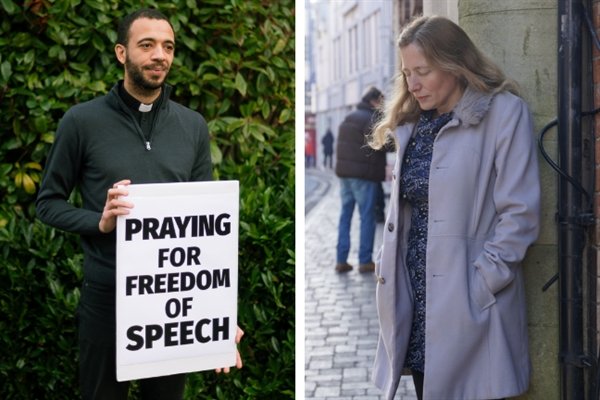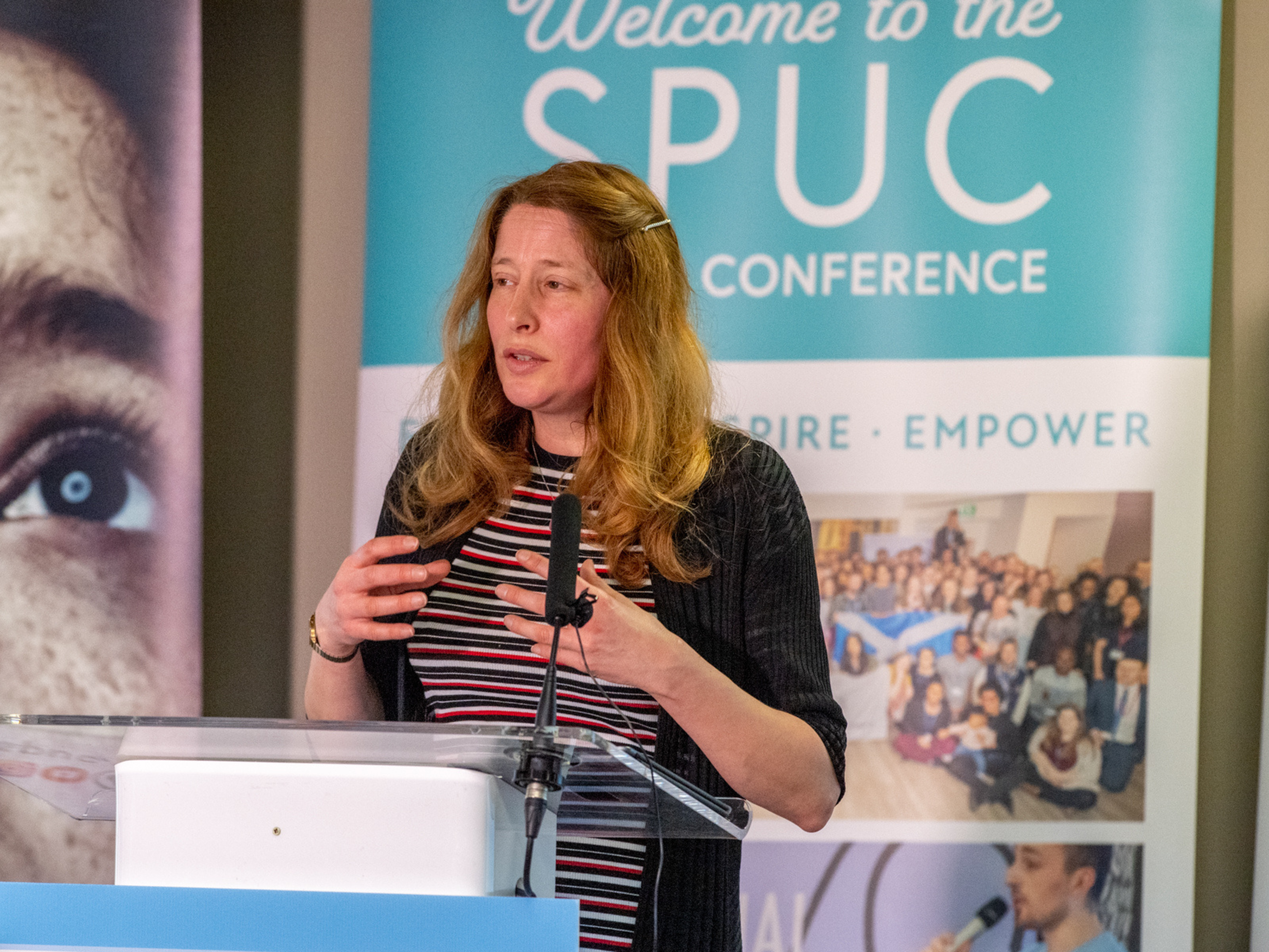
Pro-life campaigner Isabel Vaughan-Spruce has lived under legal uncertainty for almost a year as West Midlands Police and the Crown Prosecution Service (CPS) continue to decide whether to charge her for silent prayer inside an abortion facility buffer zone. Ten months after being told in March 2025 that she was under investigation, Vaughan-Spruce remains in limbo, despite the fact that police decisions of this kind normally take days, not months.
This is not her first encounter with buffer zone enforcement. In December 2022 she was arrested outside an abortion facility in Birmingham under a local Public Spaces Protection Order that banned “expressions of approval or disapproval” of abortion. She was acquitted in February 2023. Only weeks later she was arrested again, leading to a six month investigation that ended with all charges dropped. West Midlands Police apologised and paid her £13,000 in compensation, acknowledging the wrongful treatment.
The latest investigation appears to relate to alleged breaches of the national buffer zone law that came into force in England and Wales in late 2024, which makes it an offence within 150 metres of an abortion facility to intentionally influence someone’s decision about abortion services, obstruct access, or cause harassment, alarm, or distress. The CPS issued guidance in October 2024 stating that silent prayer is not necessarily criminal, and that context and overt conduct matter, but prosecutors must still decide how that applies in practice. West Midlands Police have confirmed they are liaising with the CPS on Vaughan-Spruce’s case, which many observers see as a likely test of that guidance.
From a pro-life perspective, the core issue is not simply one woman’s ordeal, but what her treatment says about freedom of conscience in modern Britain. Vaughan-Spruce says she was praying silently, without placards, speeches, or engagement with passers-by. If a person can be repeatedly detained, investigated, and threatened with prosecution for what is happening only in their mind, then the reality of buffer zones have proved pro-life concerns right: the promise to regulate behaviour turns into policing thought. That should trouble anyone who values civil liberties, regardless of their position on abortion.
Peter Kearney, SPUC’s Communications Manager, says, “This should be a country where quiet prayer is recognised as a basic freedom, and where the law protects both mothers and their unborn children, not one that treats pro-life presence as inherently suspect. Whatever the CPS decides, this case highlights the urgent need to revisit buffer zone laws, and to defend the fundamental principle that thoughts cannot be crimes.”
If you’re reading this and haven’t yet donated to SPUC, please consider helping now. Thank You!