A decision to grant euthanasia to a young woman in Spain has triggered both an international investigation and a growing diplomatic dispute, while raising serious concerns about how assisted suicide laws are applied to vulnerable people.
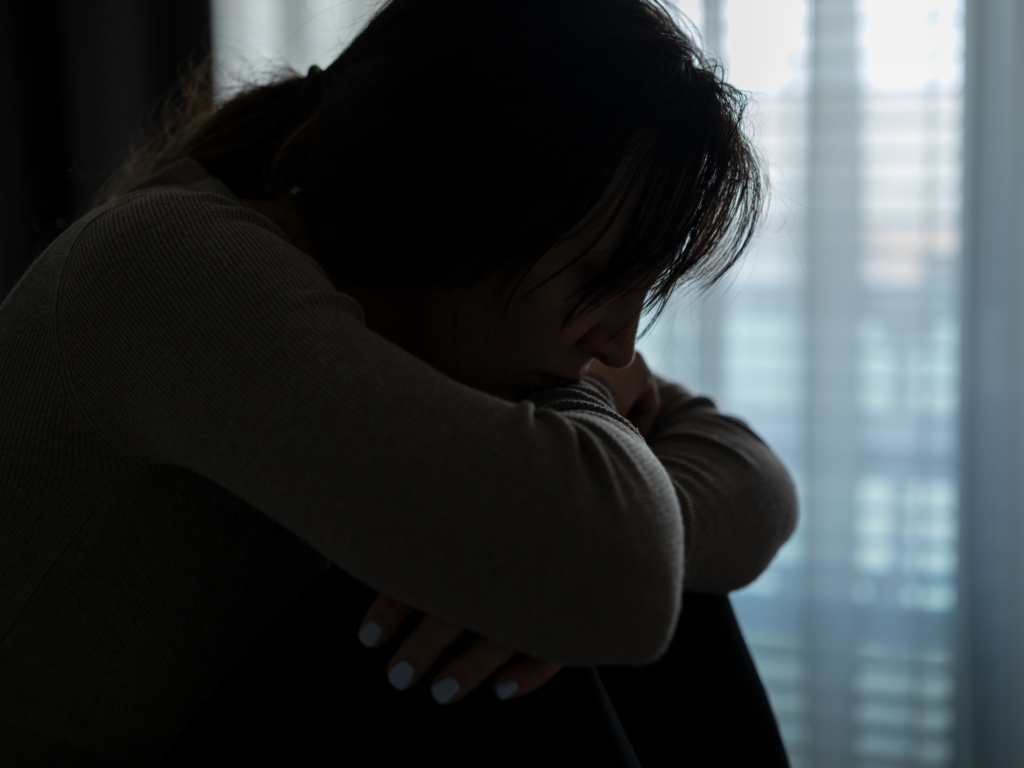
Noelia Castillo, aged 25, was killed on 26th March in a Barcelona hospital after her request for euthanasia was approved under Spain’s “dignified death” law. She had been left paraplegic following a suicide attempt in 2022, a reaction to a gang-rape whilst in state care.
Despite her history of trauma, Spanish courts, and later the European Court of Human Rights, ruled that she had the mental capacity to choose to end her life. Her father fought an 18-month legal battle to stop the procedure, arguing that her desire to die was shaped by psychological distress rather than a free, settled decision. His challenge was rejected.
The case has now drawn the attention of the United States. A leaked diplomatic cable shows that the US State Department has instructed its embassy in Madrid to investigate how Spanish authorities handled the case, including whether adequate safeguards were followed.
The cable reportedly raises concerns about the use of euthanasia in cases involving non-terminal conditions, mental health factors, and extreme vulnerability. It also refers to allegations that Castillo had been sexually assaulted while under state care, with no perpetrators brought to justice.
Spain has responded angrily to the intervention. Health minister Mónica García accused the US of interfering in domestic affairs, insisting that Spain has a “solid healthcare system” and a legal framework that protects those who request assisted dying. Catalan president Salvador Illa similarly defended medical professionals involved, describing criticism as a “malicious attack.”
Spain’s euthanasia law, introduced in 2021, allows assisted suicide not only for those who are terminally ill, but also for individuals with serious, chronic, and disabling conditions. Supporters describe this as a compassionate approach. However, Castillo’s case illustrates the risks of such an expansive framework.
A young woman, whose suffering stemmed from violence, trauma, and institutional failure, was ultimately approved for death. Rather than addressing the causes of her condition, the system permitted her life to be ended.
Experience elsewhere suggests how such laws can develop over time. In Belgium, euthanasia cases have risen sharply over two decades, now accounting for around 4 percent of all deaths.
SPUC’s Executive Director, Michael Robinson, has said: ‘I’m thoroughly glad to hear that the United States are stepping in to try and protect future Spaniards from going through the same injustice as Noelia Castillo, and thoroughly disappointed to see the proud response from Spanish officials who seem to think that exterminating a 25-year-old rape victim constitutes “good healthcare.” It does not.
‘Cases like this are tragic and highlight why we fight against assisted suicide in the United Kingdom. It tells vulnerable people that their lives aren’t worth living, yet we know every life, including Noelia’s is inherently worthwhile.’
If you’re reading this and haven’t yet donated to SPUC, please consider helping now. Thank You!