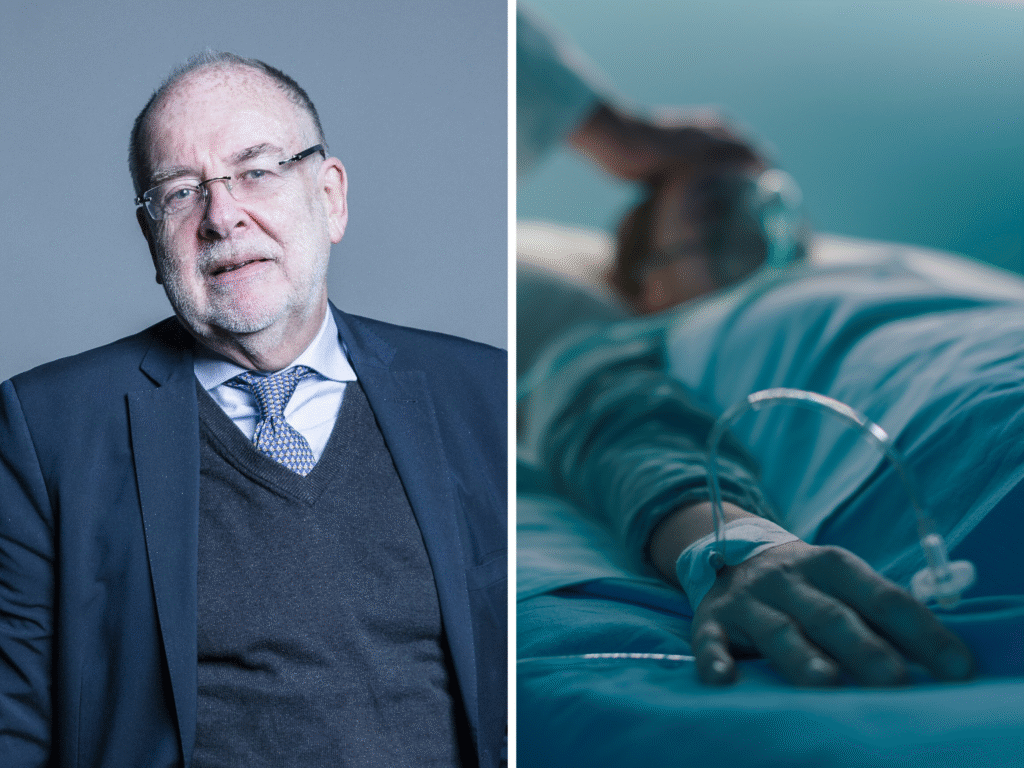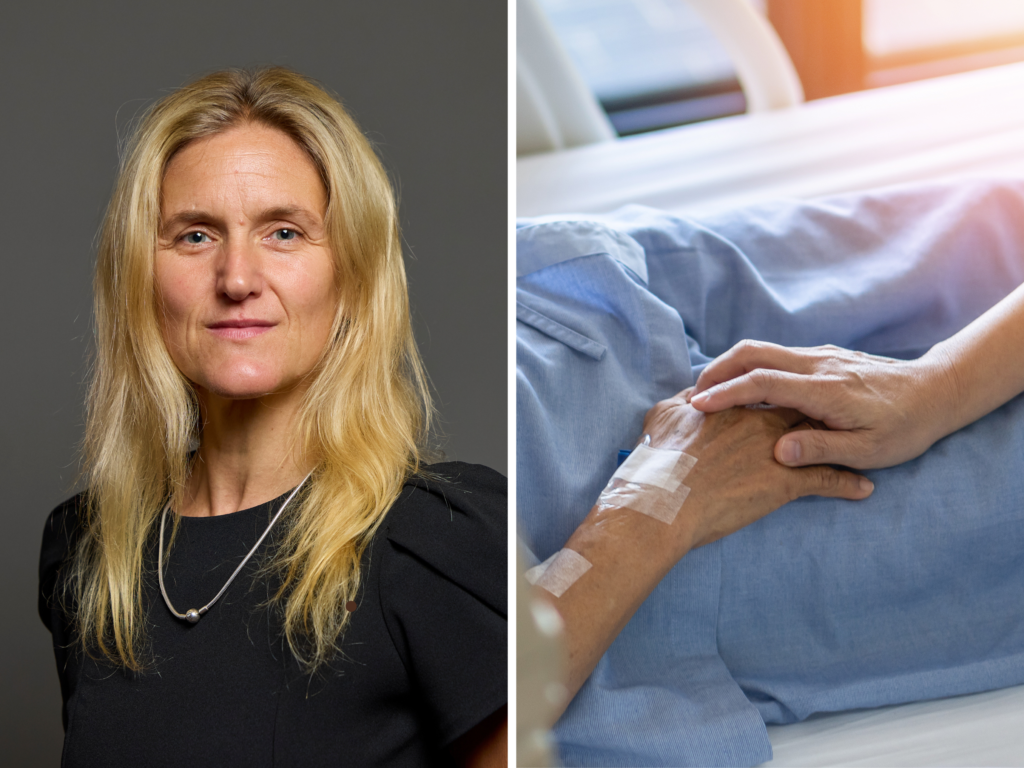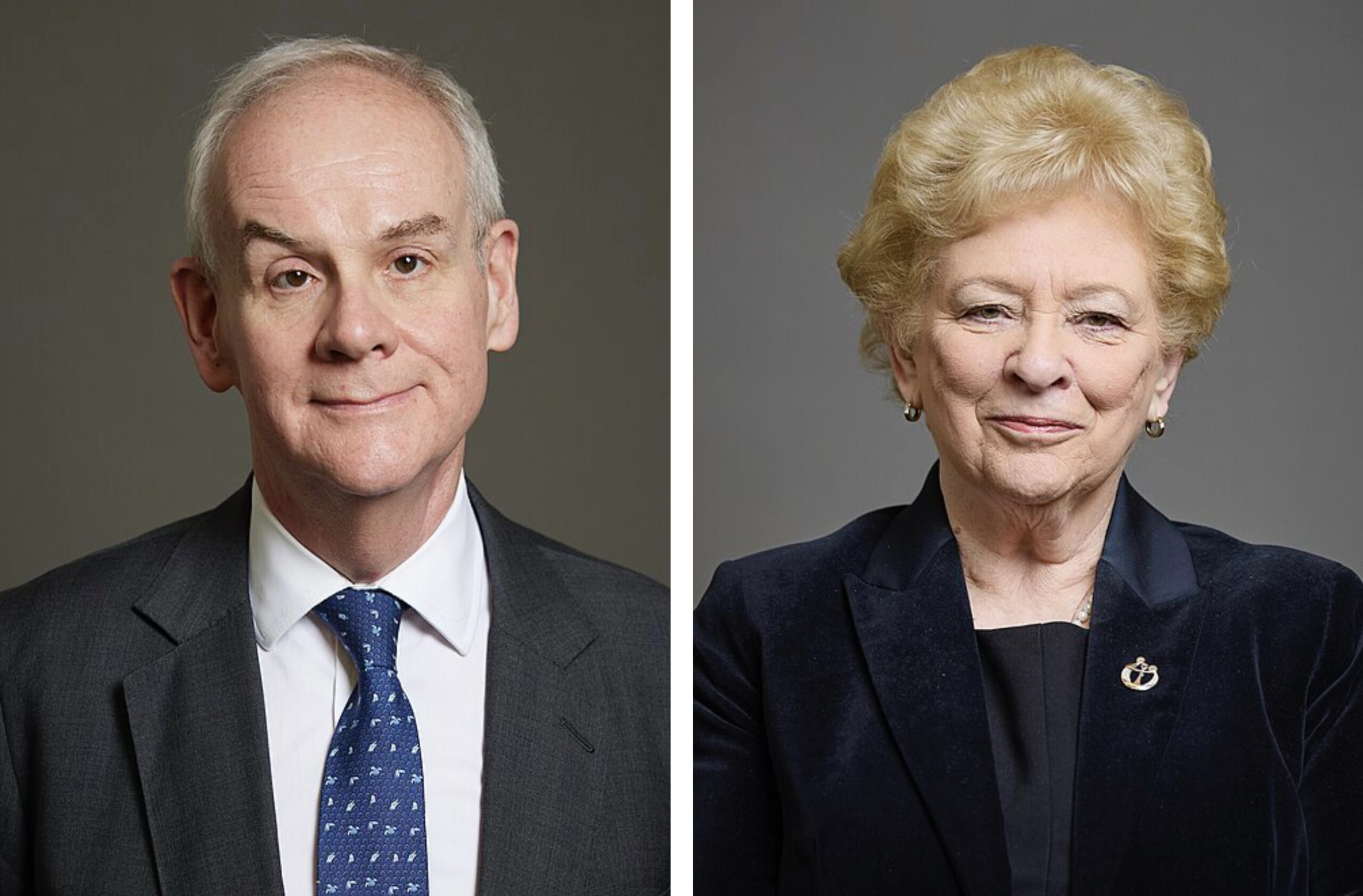
Image source: UK Parliament – (L) Lord Moylan | (R) Baroness O’Loan
Two new pro-life Private Members’ Bills are set to be introduced in the House of Lords after being selected in this parliamentary session’s ballot, while no pro-assisted suicide or pro-abortion Bills secured places.
Lord Moylan’s Complications from Abortions (Annual Report) Bill was drawn 14th in the ballot and is due to receive its First Reading on 9 June. Baroness O’Loan’s Infant (Born Alive) Protection Bill was drawn at number 17 and will receive a First Reading on 11 June.
The developments come after growing concern over abortion complication reporting in the wake of the pills-by-post scheme and over the legal protections afforded to babies born alive following abortions, particularly after the full decriminalisation of abortion earlier this year.
Complaints from Abortions (Annual Report) Bill – Lord Moylan
Lord Moylan’s proposed Bill follows a major Government review published in 2023, which found abortion complication rates may be significantly higher than official statistics suggest.
The review, conducted by the Office for Health Improvement and Disparities, compared data from abortion providers with Hospital Episode Statistics in England between 2017 and 2021.
While official figures based on provider reporting showed an average complication rate of 1.52 per 1,000 abortions, hospital data revealed a complication rate of 4.06 per 1,000, more than 2.6 times higher.
When incomplete abortions were included, the complication rate rose dramatically to 18.16 per 1,000 abortions, almost 12 times higher than the official figure.
The figure could even be higher than this as a freedom of information submitted by SPUC revealed that one in 17 at-home abortions result in an ambulance callout.
The disparity was even greater among women under 20. For this age group, hospital data showed complication rates more than four times higher than those officially reported. Including incomplete abortions, the rate was more than 17 times higher.
The review also found abortion providers were often not updating records when complications occurred after women had left clinics, particularly in cases involving pills-by-post abortions where both abortion drugs are taken at home.
The Bill would place pressure on the Government to improve transparency and ensure accurate reporting of complications linked to abortion procedures.
Infant (Born Alive) Protection Bill – Baroness O’Loan
Baroness O’Loan’s Infant (Born Alive) Protection Bill seeks to clarify legal protections for babies born alive following abortions.
The issue has become more urgent after the Crime and Policing Act 2026 removed criminal penalties for women performing their own abortions, regardless of gestational age.
This will lead to more dangerous late-term abortions taking place outside clinical settings and increase the number of babies born alive after attempted abortions.
In the Australian state of Victoria, official figures showed that 33 babies were born alive after late-term abortions following abortion law liberalisation. In Queensland, 204 babies were reportedly born alive following abortions between 2005 and 2015.
In the UK, a 2008 report found 66 babies were born alive after NHS abortions in a single year, with many surviving for over an hour.
Although Lords Private Members’ Bills rarely become law without Government backing, they are often used to raise awareness and spark parliamentary debate on contentious issues.
Notably, no Bill seeking to legalise assisted suicide or further expand abortion access was selected in the Lords ballot this session, although campaigners on both sides expect those debates to continue in the Commons in the months ahead.
Speaking on the matter SPUC CEO, John Deighan, said: “It’s a joy to see Lord Moylan and Baroness O’Loan standing up for the unborn against the terrible barrage in the last parliamentary session. These Bills would not be necessary, however, if it were not for the dreadful pills-by-post scheme pushed by the careless pro-abortion ideologues in parliament. SPUC will do all we can to help them get the recognition and traction they deserve, of course, but will not give up lobbying to end the dangerous scheme that has led to these moves in the first place.”