Image Source: Shutterstock
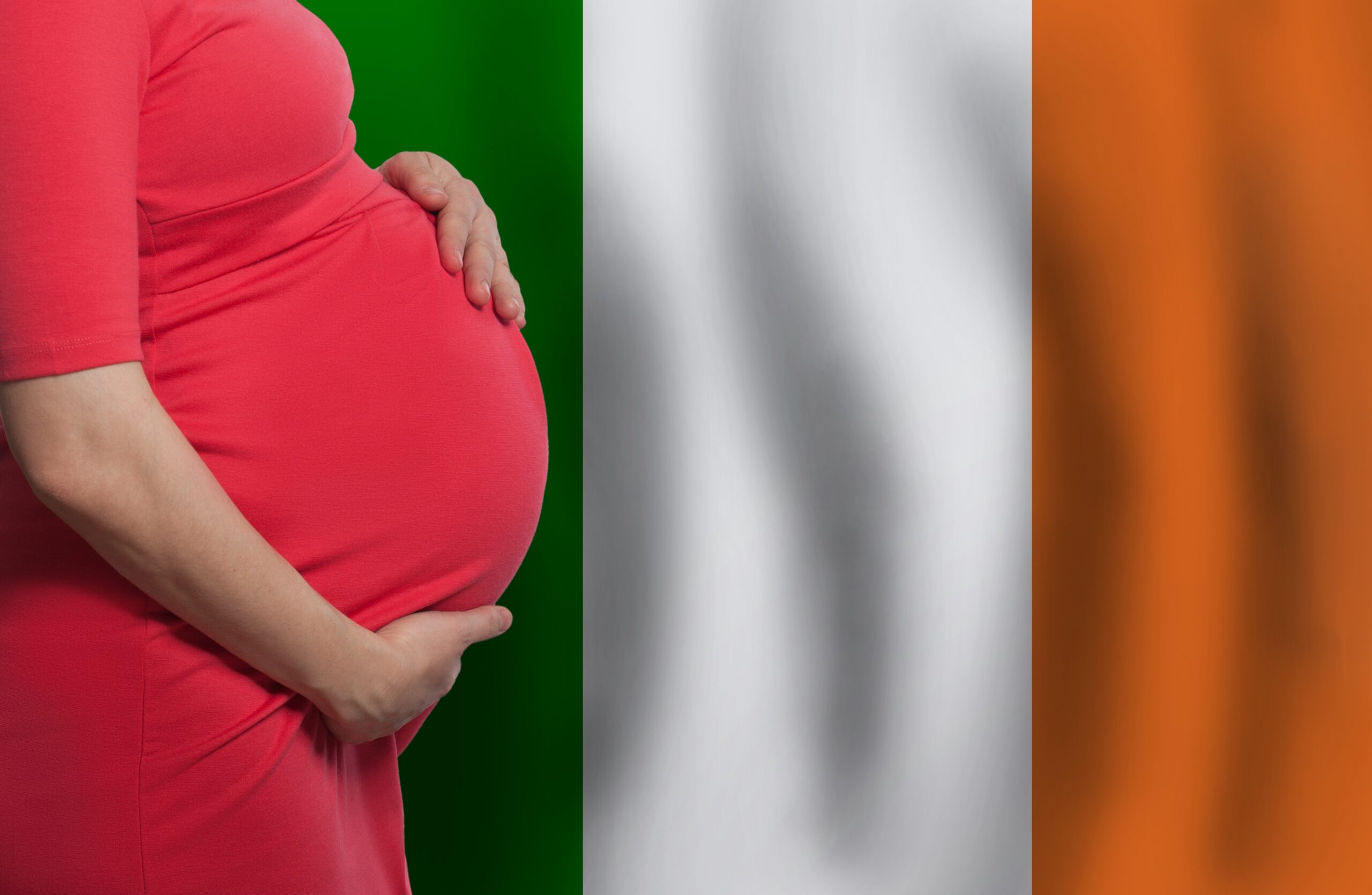
Six years after the Republic of Ireland legalised abortion new figures published by the Health Service Executive (HSE) paint a stark picture of how dramatically the nation has changed. Almost 47,000 abortions have taken place since services began in January 2019, with pro-life groups warning that what was promised as “safe, legal and rare” has instead become routine—as they had prophesied.
The HSE’s six-year report shows that 46,861 abortions took place between 2019 and 2024, rising to a record 10,852 in 2024. A separate annual report from the Department of Health shows there was a slight fall in 2025, with 10,600 abortions recorded. Even so, abortion numbers remain more than double those seen during the first years after the repeal of the Eighth Amendment.
More than 98% of abortions carried out between 2019 and 2024 took place under Ireland’s broad early abortion provisions, with 722 performed because of “fatal foetal condition” or “a threat to the mother’s life or health.”
The HSE report describes abortion as having evolved into “a routine and normal part of healthcare,” a harrowing admission.
Pro Life Campaign spokeswoman Eilís Mulroy said: “Any procedure that ends the life of another human being is the furthest thing imaginable from healthcare, regardless of the language used to justify it. Calling abortion ‘healthcare’ is deeply misleading and does a grave disservice to women and their unborn babies, and the many doctors and midwives who do their best to protect both lives.”
The report also includes, for the first time, information about women accessing hospital-based abortions. Almost two-thirds had experienced a previous pregnancy, and almost all of those women had previously given birth. Around half had previously suffered a miscarriage, while 15% had undergone a previous abortion. Just under a quarter of women whose contraception history was recorded had been using contraception before becoming pregnant.
Despite abortion becoming widely available, only around 480 GP contract holders currently provide abortion services, representing roughly 10% of Ireland’s GP workforce. While abortion providers argue that more doctors participate under shared practice contracts, the figures nevertheless suggest that the overwhelming majority of GPs have chosen not to sign an abortion contract.
Writing in the Irish Independent, Dr Kevin Byrne noted that there are approximately 4,500 GPs in Ireland, yet only around one in ten has signed up to provide abortions. He argued that society should reflect on why abortion numbers have more than doubled since repeal and ask what more can be done to prevent women finding themselves in crisis pregnancies.
Meanwhile, abortion providers are calling for greater investment. The Southern Taskforce on Abortion and Reproductive Topics (START) has urged the HSE to expand funding and governance in primary care, arguing that GPs now provide the overwhelming majority of abortions carried out before nine weeks’ gestation.
Separate figures also reveal that abortion continues to leave many women seeking emotional support. Between 2023 and 2025, 919 women accessed HSE-funded post-abortion counselling services through MyOptions and other State-funded organisations. Over the same period, the Government allocated more than €5 million towards post-abortion counselling services.
The figures come as Sinn Féin legislation seeking to abolish Ireland’s mandatory three-day reflection period continues its passage through the Oireachtas. If passed, the safeguard could be removed before the end of the year.
Speaking about the barrage of information in the HSE report, SPUC CEO John Deighan said: “Pro lifers made it clear in 2018 that the promises from the Repeal campaign about abortion being ‘safe, legal, and rare’ would fall flat on their face. They have. Ireland is deep in the throes of an abortion culture and that has made the nation unsafe for both the children whose lives are destroyed and the mothers who have used €5 million of taxpayers money to heal after the trauma of abortion.
“Abortions remain close to record levels, providers are calling for further expansion of services, and hundreds of women continue to require counselling afterwards. Rather than treating abortion as an ever more routine part of healthcare, these figures should prompt renewed efforts to offer women practical support, compassionate alternatives, and genuine help that protects both mother and child. There is no better way to do that than reinstating the Eight Amendment and abolishing abortion in the Irish Republic.”