Image source: Wikimedia Commons | Prime Minister Andy Burnham
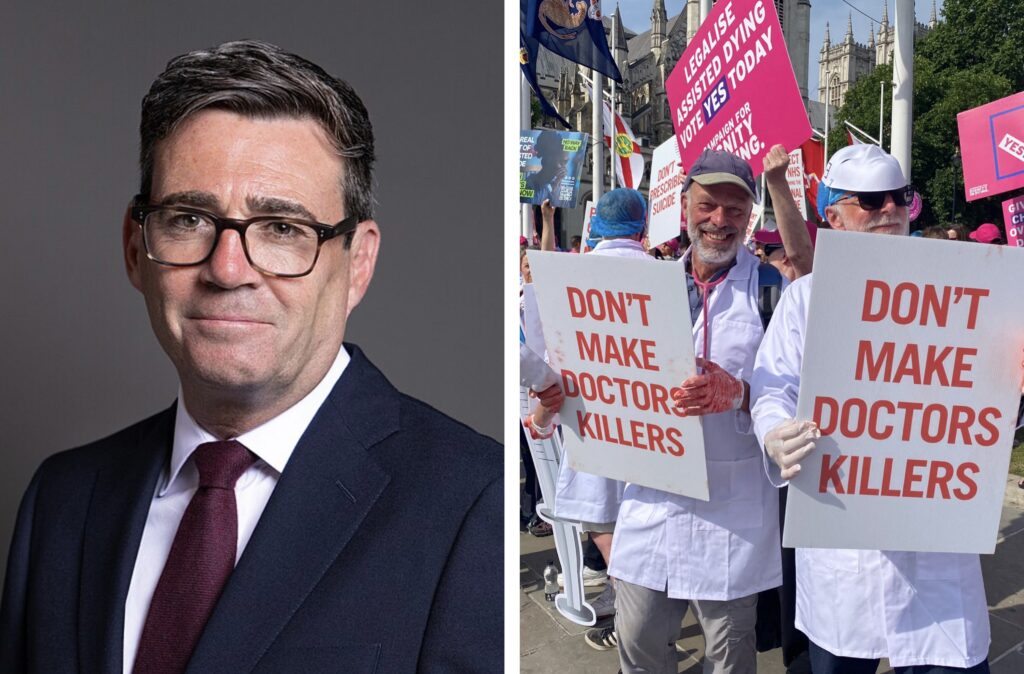
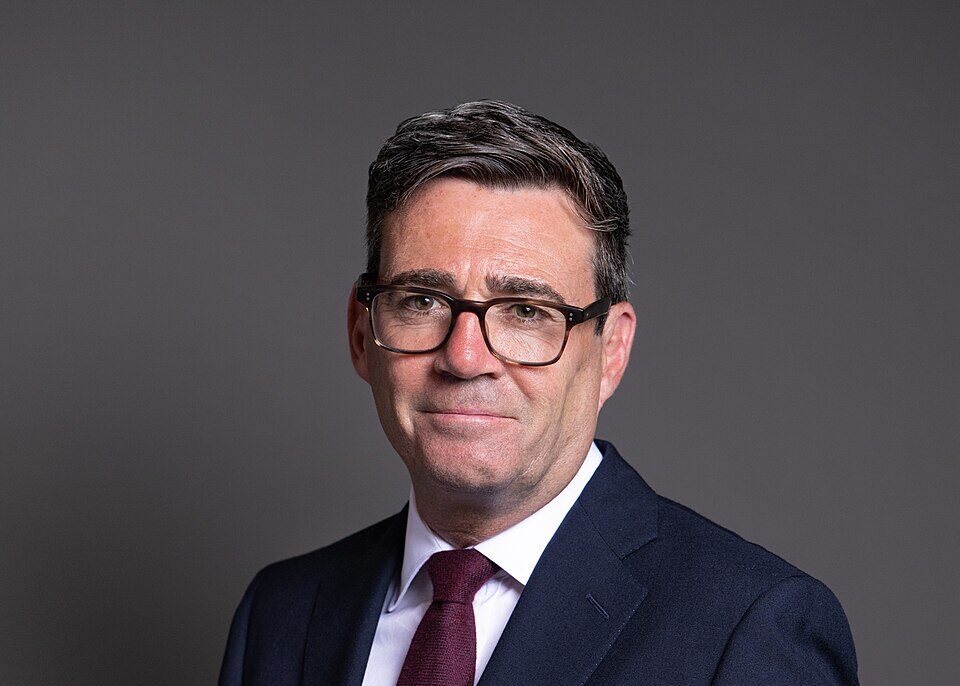
Well, the political wheel keeps turning, and the UK is onto its seventh Prime Minister in six years. Andy Burnham has now appointed his new Cabinet, changing nearly every minister from the Starmer regime. Who is in the new Cabinet, and what are their views on life issues? Does it affect the chances of the Terminally Ill Adults Bill, recently reintroduced by Lauren Edwards MP, making it into law?
First, the top man himself. Despite some excitement among the commentariat about him being the first Catholic Prime Minister (a doubtful claim in itself, as Boris Johnson, although confirmed as an Anglican, was baptised a Catholic, and was married in the Church), it’s not clear that he will be very influenced by Church teaching on pro-life issues. He was certainly raised Catholic, and identifies as one so far as constitutional matters around making appointments to the Church of England go, but is not a regular Mass-goer and has said he’s “not particularly religious now”.
On abortion, when he was last an MP, Mr Burnham voted against reductions to the abortion time limit, and against introducing counselling in the case of disability diagnoses. His comments on assisted suicide are also not altogether encouraging. He abstained on a vote in 2015, but when the Leadbeater Bill was being discussed, he came out in favour of it in principle, with the caveat that hospices would have to be “properly funded and sorted out” before any new law was implemented. However, there was some speculation that he was not in favour of Lauren Edwards bringing the Bill back, and he is certainly not likely to support assisted suicide as fervently as his predecessor.
What about Mr Burnham’s top team? To start with the Great Offices of State, the Chancellor of the Exchequer, John Healey, has a consistently bad voting record on both abortion and assisted suicide. This is also the case for Ed Miliband, the former Labour leader who is now Foreign Secretary. Shabana Mahmood (who remains as Home Secretary), abstained on decriminalisation and pills by post (but has voted for buffer zones and imposing abortion on Northern Ireland).
On abortion, records like Ms Mahmood’s are the best that can be said about the new Cabinet. I have not identified a single instance of any one of them voting with the pro-life position. Others besides her who don’t have consistently bad records include Jonathan Reynolds (Business and Trade Secretary) who recorded abstentions on decriminalisation and buffer zones, but voted for DIY abortion, and Miatta Fahnbullah (Energy Secretary), who has only been an MP since 2024, and has abstained on votes on abortion in that time.
The most relevant role in terms of pro-life issues is Health Secretary, and Mr Burnham’s pick for this role, Yvette Cooper, is about as bad as it could be for us. She has a long and consistent record of supporting and voting for abortion, even urging Labour MPs to oppose Fiona Bruce’s amendment to ban sex-selective abortion in 2015. She is less prominent on assisted suicide, but voted for the Leadbeater Bill at both Second and Third Reading. Elsewhere in the Health Department, guess who’s been made a Minister of State? Only Diana Johnson, who campaigned for years to decriminalise abortion.
On assisted suicide, the picture is more mixed. As mentioned, the new Health Secretary voted in favour, which puts us in a worse position than when Wes Streeting, who openly opposed the Bill, held that role. However, Mr Streeting is back in Cabinet, albeit in the less relevant role of Defence Secretary. Shabana Mahmood, another strong voice against the Bill, remains in Cabinet. Other opponents of the Bill around the top table include Angela Rayner (Housing Minister), Jonathan Reynolds (Business and Trade Minister) and Bridget Phillipson (who is no longer Education Secretary but retains the Equalities brief).
However, the other post very relevant to the Bill, that of Justice Secretary, has gone to Alex Norris, who voted for it. It’s also a shame that proponents of the Bill, Karin Smith and Sarah Sackman, have retained their roles in the Health and Justice Departments respectively. A worrying new promotion is that of Hamish Falconer (yes, son of Lord Falconer, and yes, with the same views on assisted suicide) has been made Minister for Intergovernmental Relations.
In terms of ministers with influence over parliamentary business, it is good news that another opponent of the Bill, Anneliese Midgely, has been made chief whip. Alan Campbell, the Leader of the Commons, voted for the Bill, but made it clear that the Government was neutral when the subject was last debated. And Louise Haigh, Mr Burnham’s right-hand woman, despite voting for the Bill herself, has made it clear that she doesn’t support using the Parliament Acts to pass it.
All in all, there’s little good news in this Cabinet for pro-lifers. At best, we can hope that the presence of opponents of the Terminally Ill Adults Bill (and of MPs who are sceptical of pushing it through using the Parliaments Acts) mean that Ms Edwards won’t get the kind of assistance that Keir Starmer provided to Kim Leadbeater.