Image Source: Diocese of Urgell
Andorra’s Catholic co-Prince was reportedly given just hours to examine proposed legislation decriminalising abortion before the country’s government publicly announced the reform, raising questions about the treatment of one of the principality’s two Heads of State.
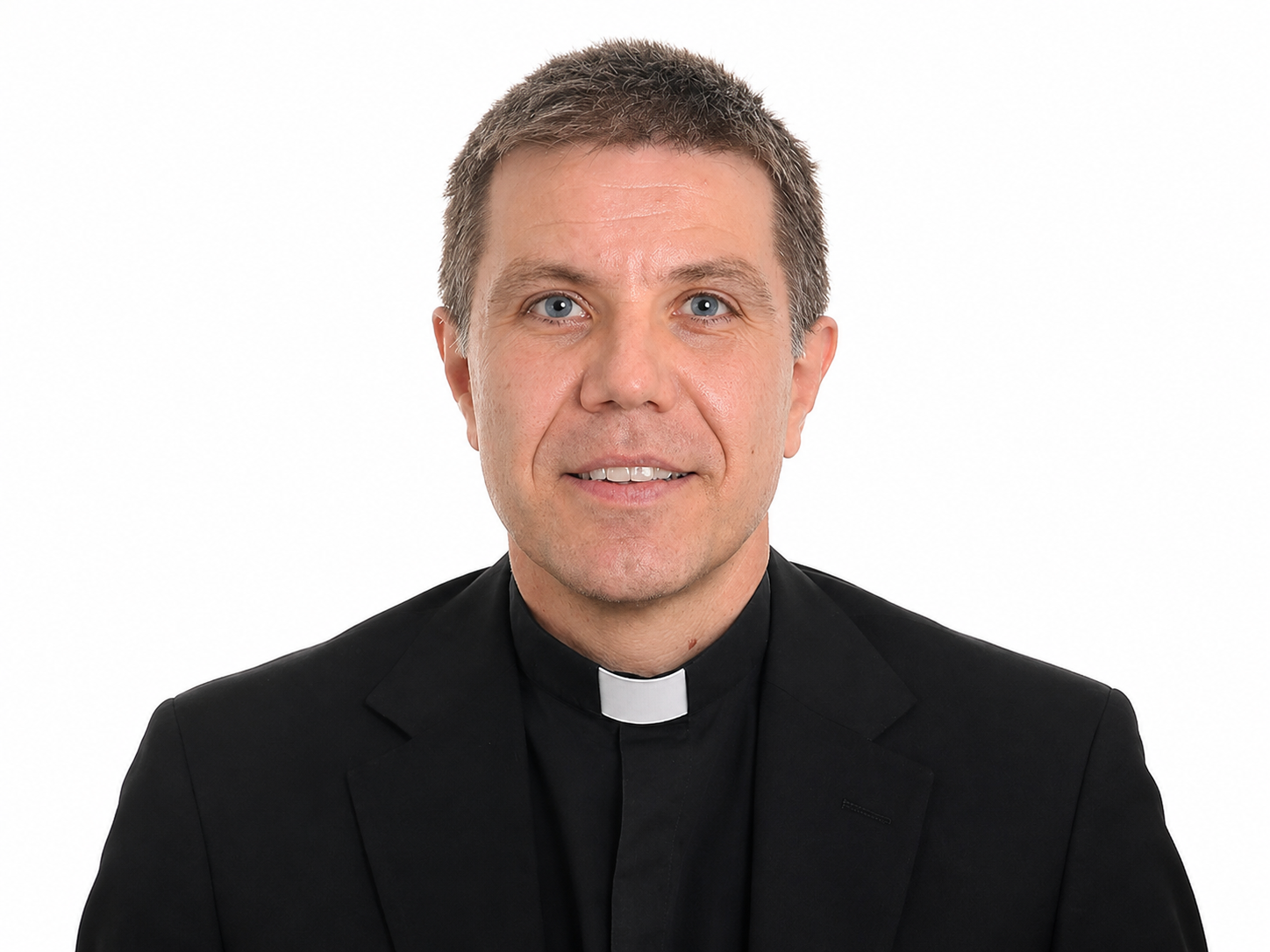
According to the Andorran newspaper La Veu Lliure, Bishop Josep-Lluís Serrano i Pentinat was presented with the proposed amendment to the country’s Criminal Code only shortly before its public announcement, despite the legislation having been the subject of years of negotiations with the Vatican.
The proposal was personally communicated to the bishop by Andorra’s Head of Government, Xavier Espot, alongside Minister of Institutional Relations Ladislau Baró and the head of the Government Cabinet Chief, Jordi Puy.
However, sources within the Diocese of Urgell claim that the legislation had already been largely finalised, leaving Serrano Pentinat with insufficient time to examine its provisions or submit observations before the government made its announcement.
The circumstances are particularly significant given Andorra’s unusual constitutional settlement. The small principality, situated between France and Spain, has two co-Princes who jointly occupy the position of Head of State: the President of France, currently Emmanuel Macron, and the Catholic Bishop of Urgell, currently Serrano Pentinat. The arrangement, which has medieval origins, was preserved under Andorra’s 1993 constitution, making the country one of the few remaining states with a serving Catholic bishop as a constitutional Head of State.
The bishop’s position has consequently complicated attempts to liberalise Andorra’s abortion laws, given the Roman Catholic Church’s longstanding opposition to abortion and the constitutional responsibilities attached to the episcopal office.
The proposed amendment to Article 117 of Andorra’s Criminal Code would remove criminal liability from women who voluntarily end their pregnancies, while retaining penalties for medical professionals who perform or facilitate abortions. In Britain we have had similar legislative changes that, with the advent of pills-by-post, create a de facto abortion up-to-birth regime.
The reported handling of the final proposal has prompted concerns about whether the current Episcopal Co-Prince was afforded a meaningful opportunity to scrutinise legislation of such considerable moral and constitutional significance.
According to La Veu Lliure, Serrano Pentinat’s predecessor, Archbishop Joan-Enric Vives, had been kept informed throughout the lengthy negotiations.
Although the government had reached an agreement with the Vatican, sources cited by the newspaper suggest that the bishop’s opportunity to influence the final legislation was effectively eliminated by the timing of its presentation.
SPUC’s Communications Manager Peter Kearney says: “The small principality is one of the few remaining European countries that defend life, a large part of that down to its constitutional settlement and the legislative role played by the Bishop of Urgell. His position has been undermined. It seems the pro-abortion adulation will not be stopped, either by constitutions or the fear of God. To reverse Europe’s abortion obsession requires great cultural and political upheaval—SPUC is trying to bring that about.”