Sky News has announced that controversial plans to legalise assisted suicide in England and Wales are now expected to fail, after the government confirmed it will not allocate additional parliamentary time before the looming deadline in May.
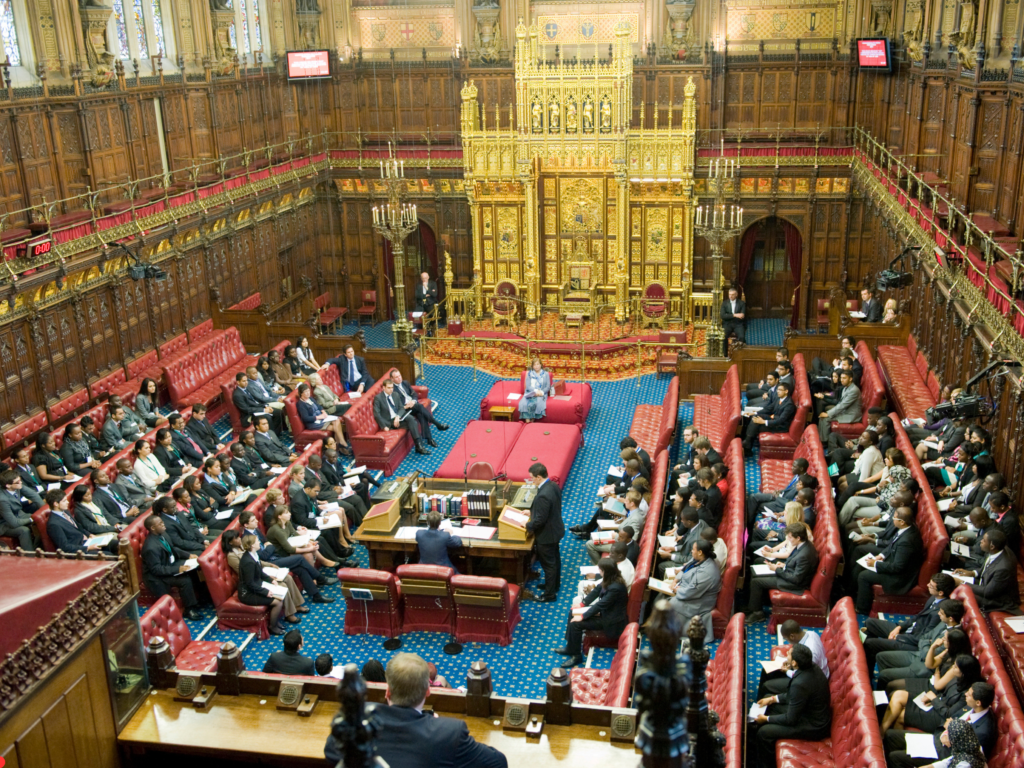
The Terminally Ill Adults (End of Life) Bill must complete its passage through the House of Lords before the King’s Speech. If it does not, it will automatically fall. With just six sitting days remaining, Labour’s chief whip in the Upper House, Lord Kennedy, has made clear that the government will not repeat December’s move of granting extra time.
The team behind the bill has now privately acknowledged that the legislation in its current form is unlikely to succeed.
Supporters of assisted suicide have directed their frustration not at ministers, but at peers who have tabled around 1,200 amendments and questions. Broadcaster Dame Esther Rantzen accused a “handful of peers” of “absolute blatant sabotage,” claiming they were seeking to block rather than scrutinise the bill.
She suggested that the only way to overcome such resistance would be to invoke the Parliament Acts, a rarely used mechanism that allows the Commons to override the Lords, or even to reform the upper chamber itself.
Opponents reject the characterisation of scrutiny as obstruction. The House of Lords has a constitutional role in revising legislation, particularly on ethically complex matters involving life and death. Critics of the bill argue that detailed examination of safeguards, coercion risks, funding implications, and the impact on palliative care is not sabotage but essential due diligence.
The House of Lords’ Constitution Committee has said that the chamber has the full constitutional authority to both block and amend the legislation.
The bill has already divided Cabinet ministers. While Sir Keir Starmer has indicated support for a change in the law, senior figures including Wes Streeting and Shabana Mahmood are firmly opposed. The lack of a unified government position has left the legislation proceeding as a Private Members’ Bill, without the full weight of government time behind it.
Even some MPs who supported the bill in the Commons have reportedly described the process as tortuous and politically draining. Suggestions that a revived version could be rushed through the Commons in a single day, followed by use of the Parliament Acts to override the Lords, would mark an unprecedented step for a Private Members’ Bill and would almost certainly inflame constitutional tensions.
For now, the assisted suicide bill appears set to run out of time. What happens next remains uncertain. Campaigners insist public polling and previous Commons votes justify another attempt. Critics counter that the gravity of the issue demands caution, not haste.
Speaking on the situation, SPUC CEO, John Deighan, has said, “It’s a great joy that the Bill is now expected to fail. I commend the Peers who have worked tirelessly to try and improve and scrutinise this unworkable legislation, but it is clear that any form of assisted suicide, however well amended, will never be safe. Difficult situations require compassion, not killing, and I hope that once this notion of state-sanctioned suicide is dealt with, this society can have a proper conversation about how to best care for the most vulnerable at the end of their lives.”
If you’re reading this and haven’t yet donated to SPUC, please consider helping now. Thank You!