Image Source: Wikimedia Commons | Governor Jared Polis
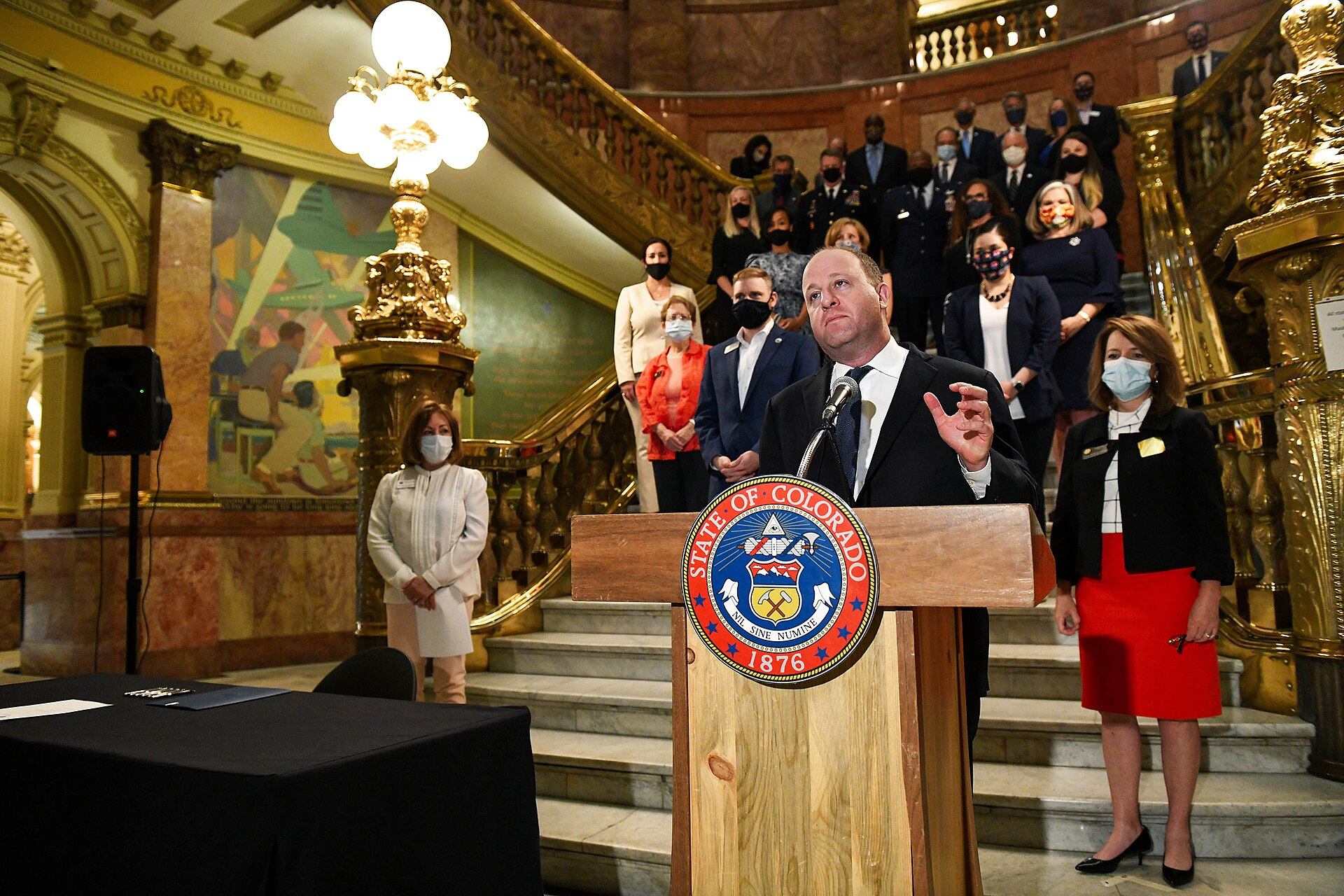
A bill requiring colleges and universities across Colorado to provide access to abortion pills has passed the state legislature and is now awaiting the signature of Governor Jared Polis, who is expected to approve the measure in June.
House Bill 26-1335 passed the Colorado Senate on the final day of the legislative session and would apply to both public and private higher education institutions.
Under the legislation, universities with on-campus pharmacies would be required to stock and dispense the abortion pill. Institutions without pharmacies would instead have to ensure campus health providers prescribe the drugs so students can obtain them elsewhere.
The bill includes exemptions for institutions with “sincerely held” religious beliefs or where compliance would threaten federal funding.
Speaking in favour of the policy, Democratic Senator Katie Wallace said, “Colorado is and will remain a safe haven for reproductive rights,” continuing that “this bill would ensure that students who rely on campus health centres are able to access the healthcare they need, when they need it, where they are.”
As we have seen before, this is a short-sighted view, ignorant of both the medical risks associated with chemical abortions. The risks are increased by the question as to whether university health centres are equipped to handle complications.
Dr Tom Perille, a member of the American Association of Pro-Life OBGYNS and Democrats for Life of Colorado, warned that student health centres are intended for primary care and basic outpatient services, not complex reproductive procedures.
“They are not equipped to deal with complex reproductive health services that commonly require follow-up and surgical interventions,” he wrote in an opinion piece opposing the bill.
Chemical abortion drugs have become increasingly controversial in the United States, particularly following the expansion of telemedicine abortion services and mail-order abortion pills.
One analysis cited by pro-life groups found that around 11 per cent of women who take the abortion pill experience serious complications, including haemorrhaging, infection, sepsis, hospitalisation, or the need for blood transfusions. This is backed up by an SPUC FOI in which we found that one in seventeen at-home abortions in England & Wales results in an ambulance callout.
Ultimately the legislation risks normalising abortion as the expected solution for pregnant students, rather than offering practical support to continue their education while carrying a child.
The bill now heads to Governor Jared Polis, a longstanding supporter of abortion, who is expected to sign it into law next month.
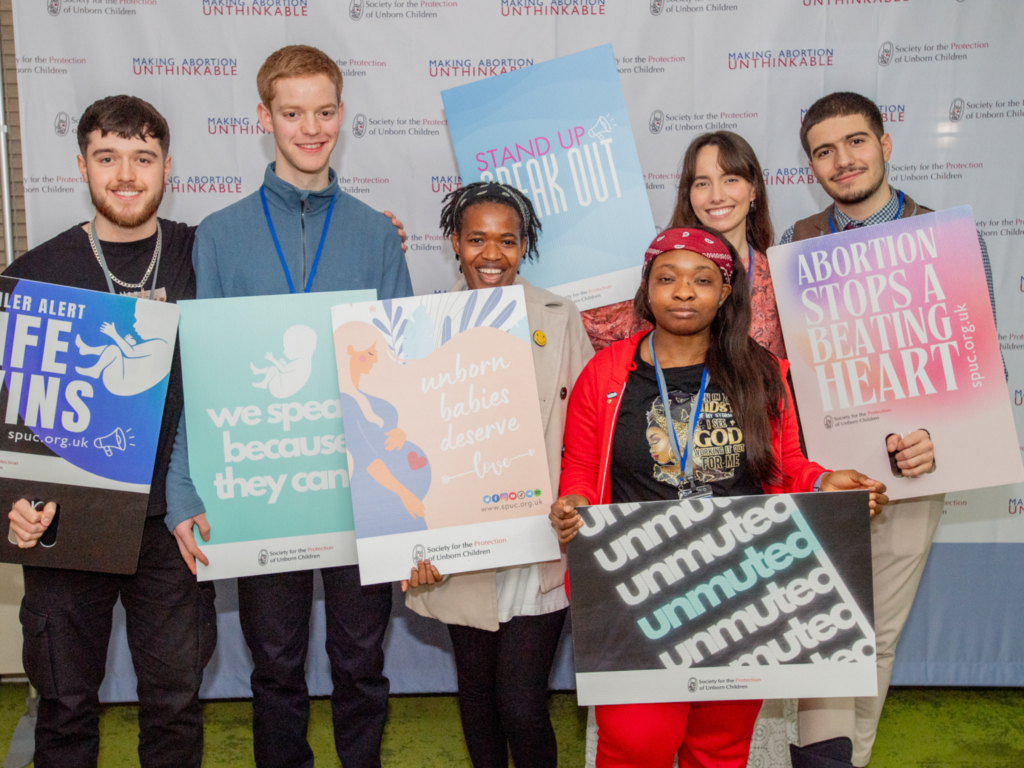
Speaking on the matter, SPUC’s Executive Director Michael Robinson said: “Radical pro-abortion zealotry continues to put women in danger on both sides of the Atlantic. This policy is no different. How will universities plan to support students who may experience heavy bleeding, severe pain, or medical emergencies after taking the drugs in dormitories or shared accommodation? The lie that abortion is like a “heavy period” and that babies are just clumps of cells will lead to medical emergencies in Colorado schools and traumatised women who have been lied to at every stage about the gravity of an abortion decision.
“Abortion harms unborn children, but it also harms women who have been duped into thinking that it’s a simple and regular medical procedure. Poisoning a child is never simple, never safe, and should never be allowed.”