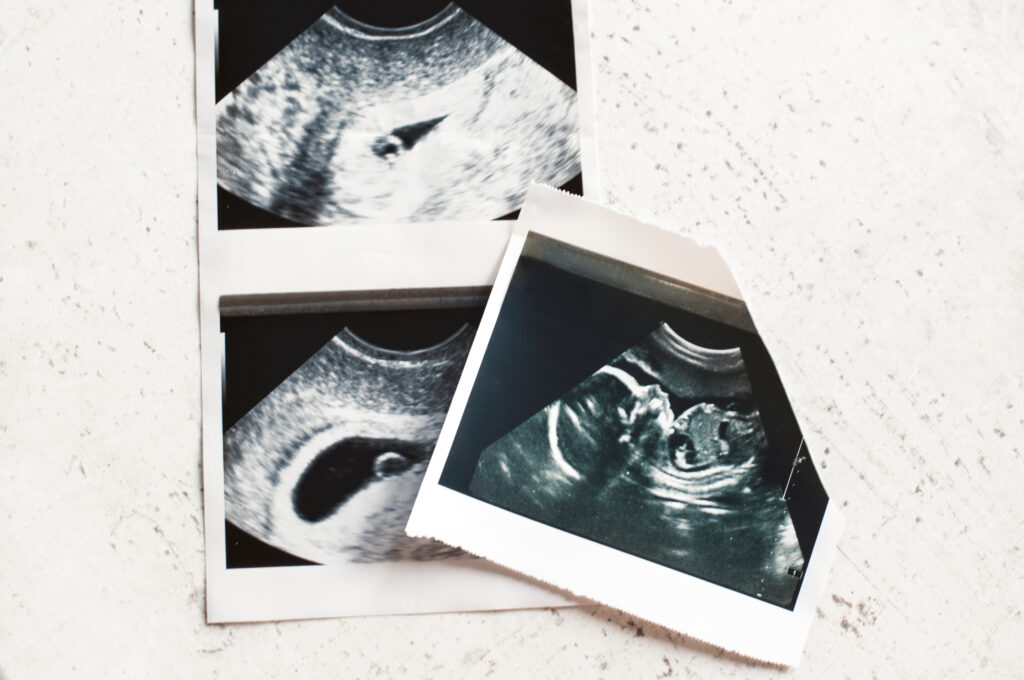
Hawaii has become one of the first American states to embrace a deeply controversial new abortion policy, allowing women to obtain so-called “just in case” abortion pills before they are even pregnant. The scheme, introduced through a Planned Parenthood affiliate, means women can stockpile abortion drugs at home for future use without needing another medical appointment.
Supporters claim the move increases “access” and gives women greater control, particularly in rural areas where clinics may be far away—a point made redundant by the US’s normal pills-by-post laws. Under the policy, women aged 18 and over in Hawaii and Washington state can receive mifepristone and misoprostol through telehealth consultations or clinic visits before pregnancy, with the drugs remaining usable for up to two years.
The policy of course entrenches an anti-child and pro-abortion culture in Hawaii, but atop of painting children as disposable, it opens the door to alarming risks, including coercion, accidental misuse, and even deliberate poisoning.
Those concerns have been thrown into sharp focus by a recent British court case involving Stuart Worby, who was convicted after secretly administering abortion drugs to his pregnant partner without her knowledge. The woman, who wanted to keep her baby, suffered severe bleeding and ultimately lost the child after Worby crushed mifepristone into orange juice before later administering misoprostol while she was blindfolded.
The victim has since suffered fertility complications following the ordeal, adding another tragic dimension to the case.
The case has intensified concerns surrounding the growing normalisation of unsupervised abortion pills, especially the ability to stockpile them. When powerful medication is stored in homes for months or years the potential for abuse rises dramatically. Pills can be stolen, mixed up with other medication, or used maliciously by abusive partners.
The debate comes amid wider scrutiny of “pills by post” abortion policies introduced in several countries during the pandemic. What was initially presented as an emergency measure is now becoming permanent in many places, despite mounting concerns over safety, oversight, and informed consent.
Addressing the move, the Communications Manager of SPUC Peter Kearney has said: “The Hawaiian policy fails to address the realities of domestic abuse and coercion. While abortion advocates frame stockpiled pills as a matter of convenience; convenience is not a worthy trade-off for the safety of women and the lives of children.
“The Worby case, as well as others like those in Donegal or Texas, stand as a chilling warning of what can happen when abortion drugs become as commonplace as ordinary household medication. Telemedicine must be ended, not widened.”