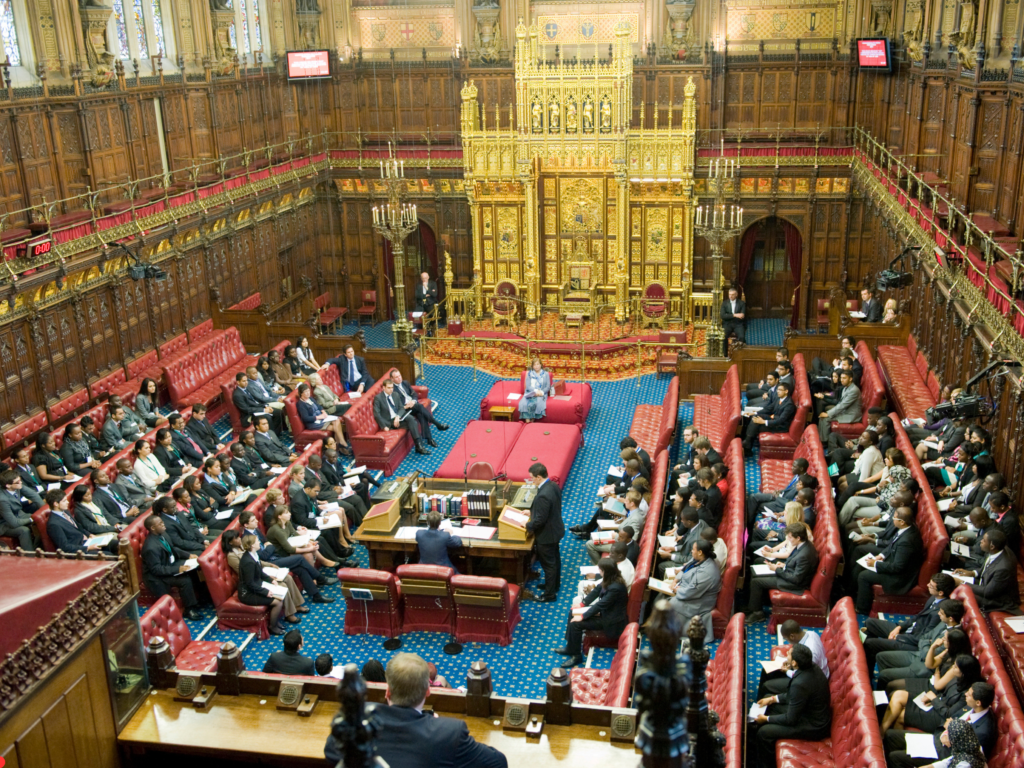
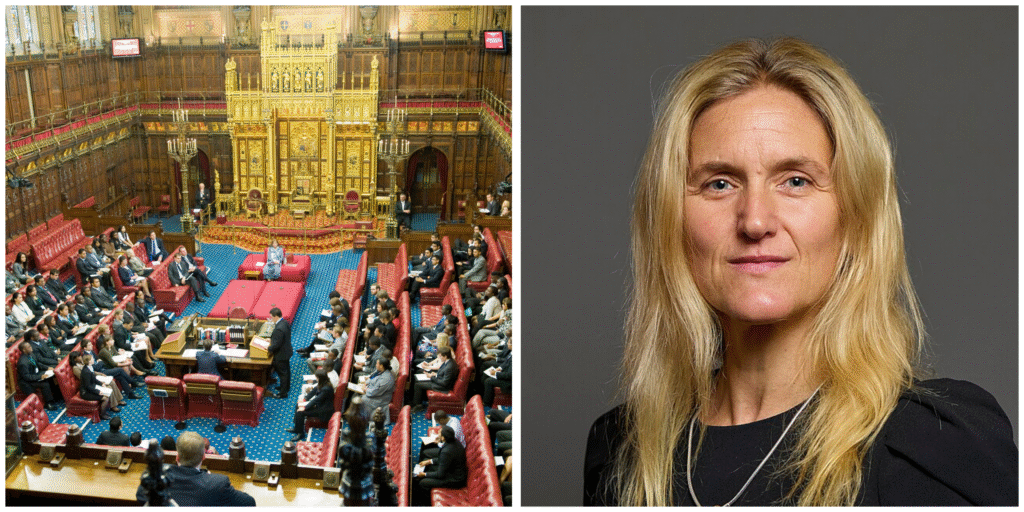
Over the last two days, a special select committee in the House of Lords has been hearing oral evidence from expert witnesses on the Terminally Ill Adults (End of Life) Bill.
The sessions have thrown up many interesting moments, especially where pro-Bill members of the committee were unable to put aside their activism and were asking blatantly leading or inappropriate questions (see Lord Markham trying to undermine evidence from the Royal College of Psychiatrists by trying to bully Dr Annabel Price into stating her personal view).
The witnesses also highlighted yet more flaws in this sloppily written bill. Here’s some key takeaways from the first two days of evidence.
1. Sponsors let cats out of the bag
The Committee heard first from Kim Leadbeater MP, who introduced the Bill in the Commons, and Lord Falconer of Thoroton, who is steering it through the Lords.
What is the reason that these two politicians are bringing this Bill forward? You would be forgiven for thinking that they aim to prevent terrible suffering at the end of life. After all, Lord Falconer began his speech in the Second Reading debate by referring to “Lucy Davenport’s husband, Tom, [who] had an agonising death from bile duct cancer”. The debates in the Commons were full of stories of people suffering. Baroness Finlay therefore reasonably asked: “This Bill has been promoted on the basis of a solution to severe pain and suffering. You have spoken about other countries, other jurisdictions, that do include suffering in their legal definition. Why did you choose to not mention either pain or suffering anywhere in your qualifying conditions?”
The response from Lord Falconer was “First of all, on suffering, the essence of the Bill is autonomy. You have a choice. We did not take the view that it is appropriate to have as a condition the suffering of an individual, which is a subjective matter. Once you satisfy that requirement—obviously, the safeguards have to be complied with—that is the essence of the Bill. It is autonomy.”
That’s the first cat out of the bag – this is not about suffering, as the Bill has been sold, but about a radical idea of autonomy. The other was the shocking lack of concern for people with disabilities. Lord Falconer made the highly questionable claim that “There is absolutely no evidence from abroad that there is a particular problem in relation to disabled people” and carried on to say: “In relation to people with various learning difficulties or autism, again, with proper assistance, they too can have that option [an assisted death]”.
2. Plus make misleading statements
The sponsors continued the trend to mislead about what’s actually in the Bill. Lord Falconer said that Clause 5 requires doctors to make “sure all options are made available”. There is no such requirement – the clause only refers to a duty to discuss options. Kim Leadbeater rejected an amendment in Committee to guarantee a meeting with a palliative care specialist. Falconer also claimed that “practically everybody who has looked at this issue” has found palliative care goes up where is introduced. This is misleading. The biggest recent study, cited by the Association for Palliative Medicine, concluded AS “is impeding the development of palliative care.”
On a question about people in Oregon citing being a burden as a reason for choosing assisted suicide, he said that the reasons given “are, first of all, a lack of autonomy, secondly, a lack of dignity and thirdly, pain and suffering. The item that you refer to — feeling a burden — is, I think, sixth or seventh and is one of a number of items.” This is not true. Oregon’s Death with Dignity Act annual data summary has routinely recorded feelings of being a “burden on family, friends/caregivers” within the top five end-of-life concerns. Between half or nearly half of all those receiving a lethal prescription in each of the last five years have cited this as a reason for seeking a premature death. This issue has been consistently ranked higher than inadequate pain control. In 2024, 42 per cent expressed this concern, as opposed to 34 per cent for pain control.
3. There is no “absolute right” to suicide
You may have been aware that the decriminalisation of suicide in 1961 (on the grounds that you cannot prosecute someone who has committed suicide, and prosecuting someone who attempts it is clearly unhelpful and uncompassionate) did not create a right to suicide. Why would we have suicide prevention measures if it were a right? Baroness Hayter however, seemed genuinely shocked when former chief coroner Thomas Teague KC explained this to her. You’d think that someone examining a bill that amends the Suicide Act might look up what the current law on it is…
4. So many questions remain unanswered
The second evidence session on Thursday was especially interesting, with evidence from Thomas Teague and from Dr Suzy Lishman, Lead on Medical Examiners at Royal College of Pathologists. I learnt a lot about the role of medical examiners (who now routinely examine all deaths from a medical point of view) and coroners who investigate any deaths with a suspected unnatural element.
The Bill is seeking to obfuscate the fact that deaths under the Bill would be suicides by not classing them as unnatural and so not referring them to the coroner. Dr Lishman explained that if a death is not referred to the coroner, they would automatically come under the medical examiners. However, they are not mentioned at all in the Bill.
This lead to many questions that the Bill does not answer. Will medical examiners receive extra training to take on examining assisted deaths? Where patients have not told their families of their plans, will the medical examiners have to be the first to tell them that their loved one has died by assisted suicide? Will they have access to documents from the panel that approves assisted deaths? As they do not have any legal investigative role, how will they determine on matters like coercion? Will they even have enough information to refer to the coroner if necessary? Could they essentially be trained to act as a coroner? If that’s necessary, why not just stick to the normal procedure and involve the coroner?
Watch Thomas Teague’s explanations of why the coroner should be involved here:
5. Another key takeaway is that medical and care bodies still have serious concerns about the Bill
Dr Annabel Price reiterated the Royal College of Psychiatrists’ position that they cannot support this bill (despite being neutral on the principle).
The Royal College of GPs insist that they don’t want it to be part of general medicine (damningly, their representative Dr Mulholland said that “the whole question of making decisions for assisted dying is against everything that I have been trained in and I have practised for 30-plus years”).
Professor Mumtaz Patel from the Royal College of Physicians expressed her fears that people would opt for an assisted death because of a lack of palliative care options.
Luke Geoghegan of the British Association of Social Workers, expressed a similar view, saying: “Social care in this country is in crisis… If you’re not getting the care services and support services which you’re entitled to, an assisted death may be something which you wouldn’t have considered otherwise.”
Overall, it was a pretty demeaning advertisement for the Bill, and its supporters’ treatment of the well-reasoned concerns put forward by expert witnesses exposed their increasing desperation. Emotive stories can take the argument so far, but the more detailed scrutiny this Bill gets, the more flaws are revealed. Let us hope that peers are listening.
Please write to members of the House of Lords, asking them to oppose the Bill.
If you’re reading this and haven’t yet donated to SPUC, please consider helping now. Thank You!