Blogpost by Liam Gibson
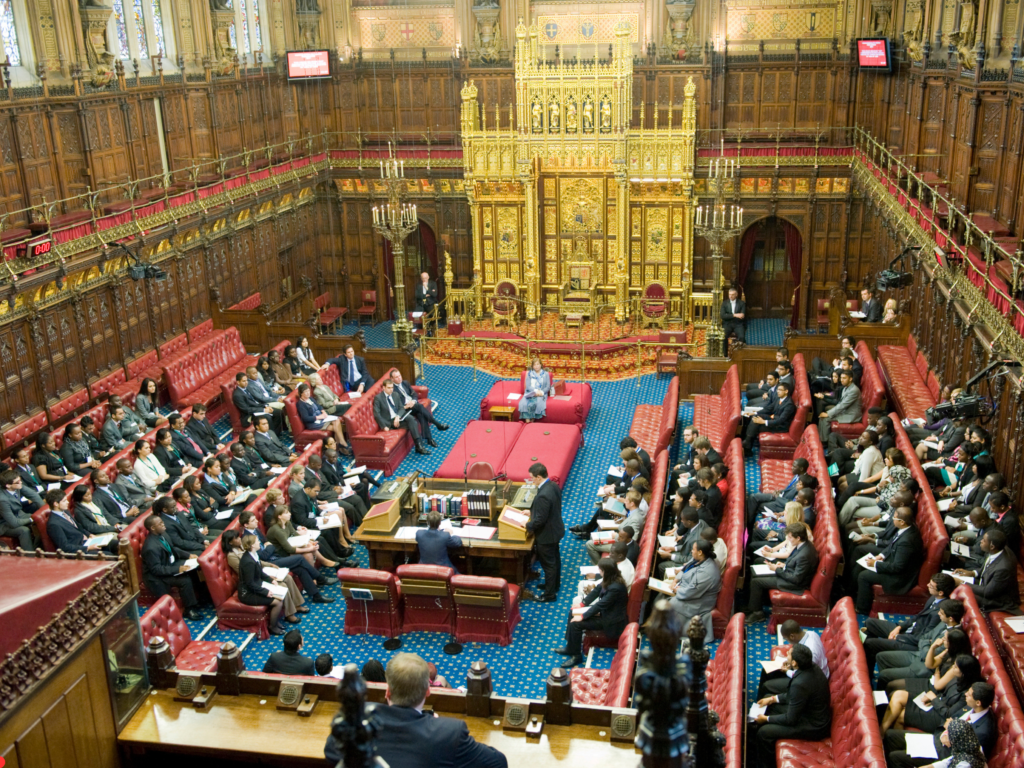
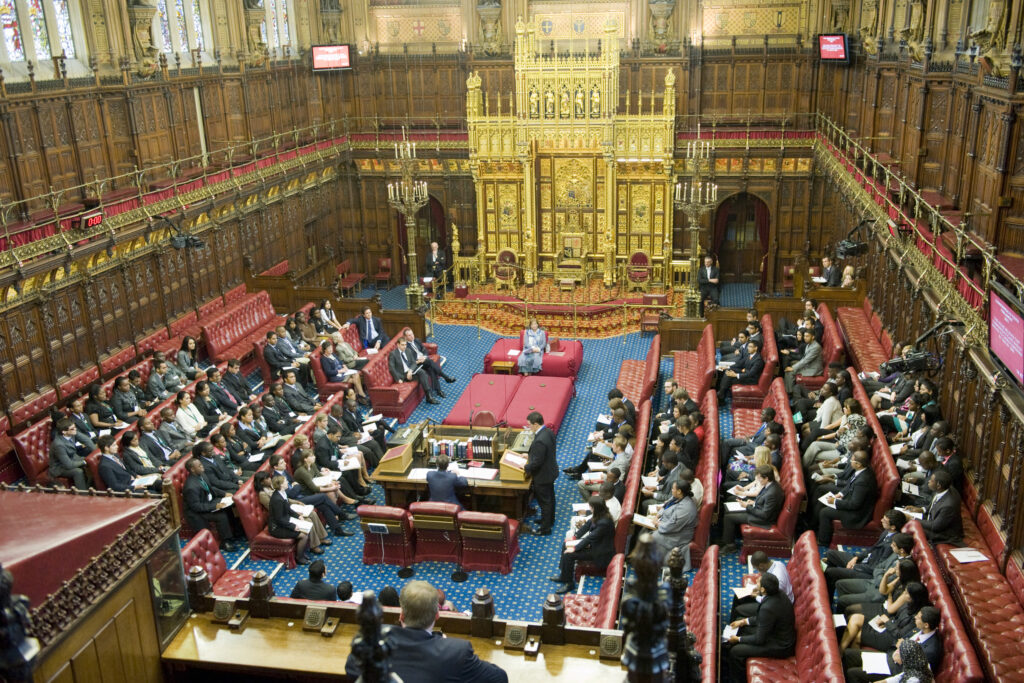
In a dramatic turn of events, the battle over the legalisation of assisted suicide in England and Wales is now on course to continue until late April 2026. On Wednesday, 26 November, the Government unexpectedly announced that the Terminally Ill Adults (End of Life) Bill will be allocated more time in the House of Lords. Lord Kennedy of Southwark, Labour’s Chief Whip in the Upper House, explained why further time was being provided for the Bill, telling Peers:
“…over 1,000 amendments have been tabled and only three groups of amendments have been debated so far. It is therefore clear that the House needs additional time to scrutinise the Bill. I have always been clear that, as this Government are neutral on the Bill, any additional time will not come from government time. I also believe, given the importance of the subject and the number of colleagues who wish to participate, that this scrutiny could not take place in the Grand Committee, as some noble Lords have suggested to me. I have therefore arranged for the House to sit on eight additional Fridays in the new year, in addition to the three Fridays already announced.”
Despite repeated statements of neutrality, it appears that the growing frustration with the slow progress of the Bill through the House of Lords has led the assisted suicide lobby to apply pressure on the Government to ensure its passage. During Prime Minister’s Questions on 19 November, Tory MP and assisted suicide stalwart, Kit Malthouse, called on Sir Keir Starmer to intervene, implying that opposition to the Bill in the House of Lords was somehow anti-democratic:
“The Government is neutral on the Bill itself, but I presume it is not neutral on the issue of democracy or the primacy of this chamber. So could the Prime Minister please reassure the House that the decision of elected members, and indeed the wishes and hopes of the vast majority of the people we serve, will not be frustrated in this way?”
Although personally in favour of a change in the law, the Prime Minister insisted that the Government was neutral. Nevertheless, he went on to say that if it were to pass, the Government would have a duty to ensure it was “workable, effective, and, of course, enforceable.” The Minister for Care, Stephen Kinnock, and a team of civil servants have been liaising with the sponsors of the Bill to provide guidance on changes the Government wish to see made on the pretext of ensuring “workability”.
However, there are indications that, under the veneer of impartiality, the Government has an interest in seeing the Bill pass. During the first day of the Committee Stage in the House of Lords, Baroness Grey-Thompson raised a series of questions and related a conversation with a civil servant that cast doubt on the claims of Government neutrality. “We need to understand how many civil servants are currently working on this,” she said.
“Who is running the Bill team? Is it the Ministry of Justice? That would lead us into different discussions. Is it the Department of Health? Last week I met someone who works in a government department. He told me that he is working full-time on the implementation of this Bill; I am not sure he meant to tell me that.”
As Baroness Coffey pointed out, “…nobody should be working on this beyond the Bill team, so nobody should be working on implementation”.
As the Bill has battled headwinds in its passage through the House of Lords, the frustration among its supporters has only grown. This came to the surface on 28 November when Baroness Hayter of Kentish Town implied that opponents of assisted suicide were attempting to talk the Bill out. She accused the Peers who were calling for greater safeguards for vulnerable individuals of wasting time. She said:
“We have to ask, therefore, whether these discussions about definition are really about that, or whether they are about trying to stop the Bill. Perhaps we could discuss whether those who want the wording changed would then support the Bill. If they would, let us get down to discussing that, but if they are never going to, they are wasting the time of those who want it to go through.”
In response, Baroness Butler-Sloss explained why it was important for opponents of the Bill to do everything in their power to amend it.
“My Lords, before the noble Baroness sits down, there are two separate situations here, and I wonder whether she agrees. One is that many of us do not like the Bill, but there is a real probability that the Bill will pass, and if it passes, we want it better than it is at the moment. Consequently, we are not wasting time.”
Other Peers also reacted angrily to the accusation, including Lord Carlile of Berriew, who said:
“I have great admiration for her, but I and many others resent her waving her hands at us. The reason we wish to have the sorts of discussions that I was mentioning was so that, believe it or not, we can make a judgment as to whether we are prepared to support the Bill, or to be silent on whether we support the Bill, or to oppose it at Third Reading. It is unworthy of the noble Baroness to allege that all of us here who are expressing concerns are wasting time. It is not true, and it is what she said.”
However, rather than apologise, Baroness Hayter simply denied saying anything of the sort.
“I never said that about wasting time. The words did not come; I did not say them. I was asking whether the people who want a better definition will then be able to support the Bill.”
When so little progress had been made after two days in Committee, the supporters of the Bill faced the prospect that the Bill would run out of time. Sadly, with eight additional days now set aside by the Government, that is far less likely. It is, therefore, more important than ever that Peers hear directly from the public about the dangers of the Leadbeater Bill. Advice on how to write to the House of Lords can be found here.
If you’re reading this and haven’t yet donated to SPUC, please consider helping now. Thank You!