Image: Accra, Ghana | Source: Shutterstock
Twenty African governments have backed a draft charter asserting national sovereignty over family policy, abortion, agriculture, natural resources, and international agreements, in a significant rejection of pressure from Western governments and international institutions.
The African Charter on Family, Sovereignty and Values, adopted at a conference in Accra, seeks to strengthen traditional understandings of marriage and family while resisting attempts to impose abortion and gender ideology through international treaties, aid programmes, and diplomatic pressure.
Among its most significant provisions, Article 4 calls on governments to identify and repeal legal measures that undermine the family. The charter rejects abortion rights, the legalisation of prostitution, the promotion of contested sexual rights for minors, gender ideology, and the international LGBT agenda.
It defines marriage as the union of a man and a woman and recognises human beings as male or female.
Article 7 also states that there is “no international right to abortion”, challenging efforts by international bodies to treat abortion as a universal human right through language concerning “sexual and reproductive health”.
The document reflects growing resistance in parts of Africa to what critics have described as ideological or cultural colonialism, whereby wealthy Western governments and organisations use aid, trade, and international agreements to advance social policies rejected by many African societies.
The charter also links sovereignty over family policy with wider demands for African self-determination.
It calls for protection of indigenous seeds and farmer-managed agricultural systems, greater control over natural resources, reduced dependence on exporting raw commodities, and the removal of barriers to intra-African trade. It also criticises negotiating practices in international institutions that can leave African delegations facing complex documents with inadequate time for scrutiny. They are clear that African nations should be permitted to determine their own laws, economies, and social institutions without outside coercion.
The charter drew criticism from abortion and LGBT campaigners, while South Africa declined to endorse it, arguing that parts of the text were incompatible with its Bill of Rights and acceptance of same-sex marriage.
Critics have attacked the involvement of American conservative organisation Family Watch International and pointed to the charter’s similarities with the Geneva Consensus Declaration, an international statement affirming that there is no international right to abortion.
Those objections underline the wider dispute at the heart of the document. While Western institutions increasingly present abortion and radical theories of gender as essential components of human rights, many African governments continue to insist that protecting unborn life, marriage, family, and national sovereignty is not backwardness, but an expression of their own values—that sovereignty affords them the right to choose who to help them draft their declarations.
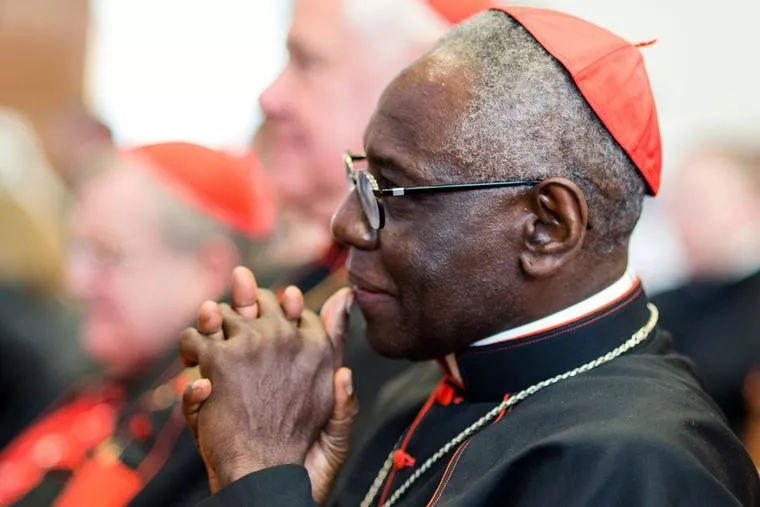
This comes soon after Guinean Roman Catholic Cardinal Robert Sarah lambasted the European Union, accusing the bloc of neocolonialism regarding their progressive paternalism in Africa.
John Deighan, SPUC CEO says: “For too long a perverse West has been trying to force their malthusian contraception, violent abortion, and modern sexual expression upon third world nations, with African ones hit hardest. It is a joy to see twenty good and moral nations fighting back despite the likely financial punishments they’ll receive. These are nations with a good moral fibre and strong birth rates, and the West should follow in their footsteps regarding the Charter: life, family, and sovereignty. Development will never be analogous with abortion liberalisation and the dismantling of traditional family structures.”