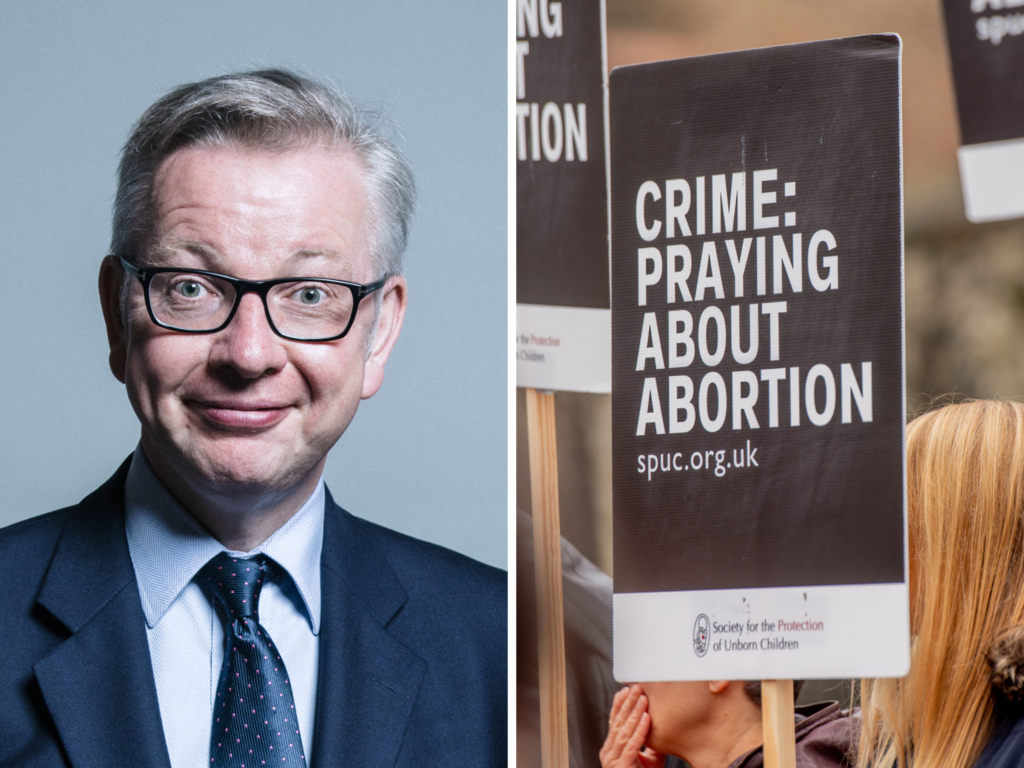
A woman accused of silently praying outside an abortion facility in Birmingham has entered fresh not guilty pleas to five charges under England and Wales’s new abortion buffer zone law.
Isabel Vaughan-Spruce, from Worcestershire, denied the charges at Birmingham Magistrates’ Court on Wednesday. She is accused of breaching the Public Order Act on five separate occasions outside an abortion facility in the Kings Norton area of the city.
The alleged offences took place on five different days between 13 June and November 2025, around six months after national buffer zone legislation came into force.
Vaughan-Spruce was the first person in England and Wales to be charged under the new legislation which came into effect in October 2024. The law establishes a 150-metre exclusion zone around abortion facilities within which certain activities are prohibited if they are intended to or are reckless as to whether they might influence a person’s decision to access, provide or facilitate abortion services.
The legislation was introduced with the stated aim of preventing interference with people accessing abortion while also prohibiting conduct that causes distress or alarm within the designated areas.
The case has attracted attention because Vaughan-Spruce is accused of offences relating to her presence and alleged silent prayer raising wider questions about how the buffer zone legislation applies to peaceful expression and private religious belief.
Prosecutors successfully argued at Wednesday’s hearing that the five alleged incidents should be treated as five individual offences rather than as a single alleged breach.
The defence argued that continuing with the prosecution would amount to an abuse of process. Deputy Chief Magistrate Tan Ikram is expected to decide next month whether the case should proceed to trial.
If the prosecution goes ahead, prosecutors told the court that Vaughan-Spruce is unlikely to face trial before January.
The case comes as the UK’s abortion buffer zone regime faces growing scrutiny over the boundary between protecting women from harassment outside abortion facilities and restricting lawful expression within those areas.
Vaughan-Spruce has previously attracted international attention over her opposition to abortion and her public advocacy for women facing unplanned pregnancies. The proceedings will now test how the new legal restrictions apply in practice to conduct that does not necessarily involve approaching or speaking to women entering an abortion facility.