Image Source: Shutterstock
Disability rights groups in Malta have called for an expansion of genetic testing on IVF embryos to stop, warning that selecting embryos according to disability or genetic conditions sends a message that some human lives are less worthy of being born.
The Thalidomide Survivors Association (TSA) and Malta Federation of Organisations for Persons with Disability (MFOPD) have demanded a “transparent ethical and disability rights review” before the Government permits testing for additional conditions.
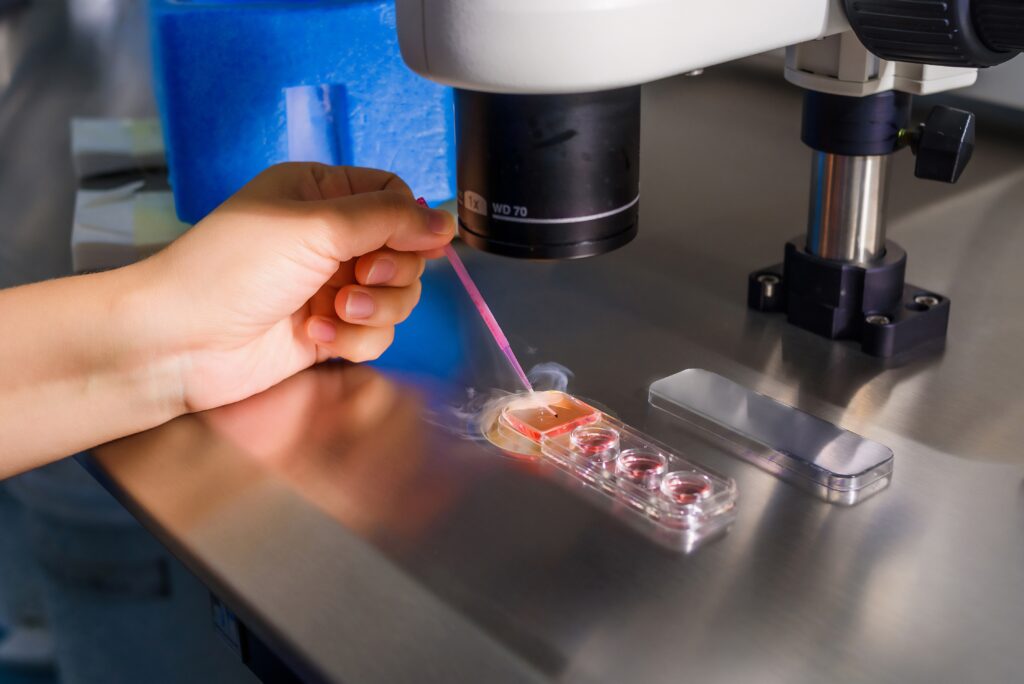
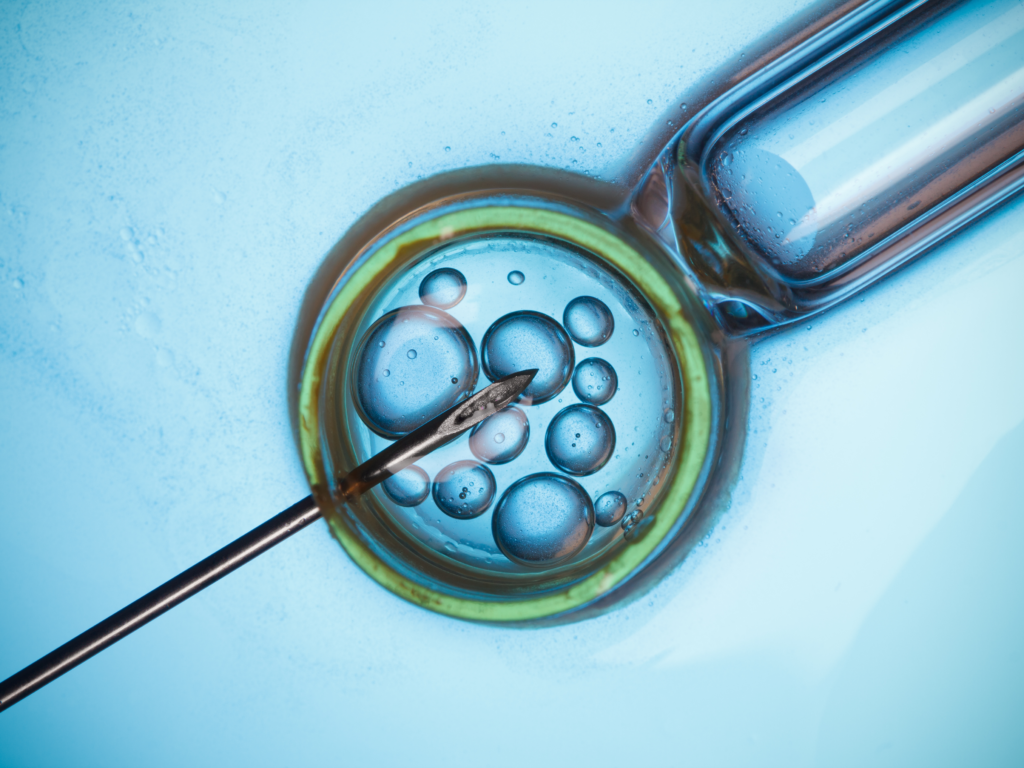
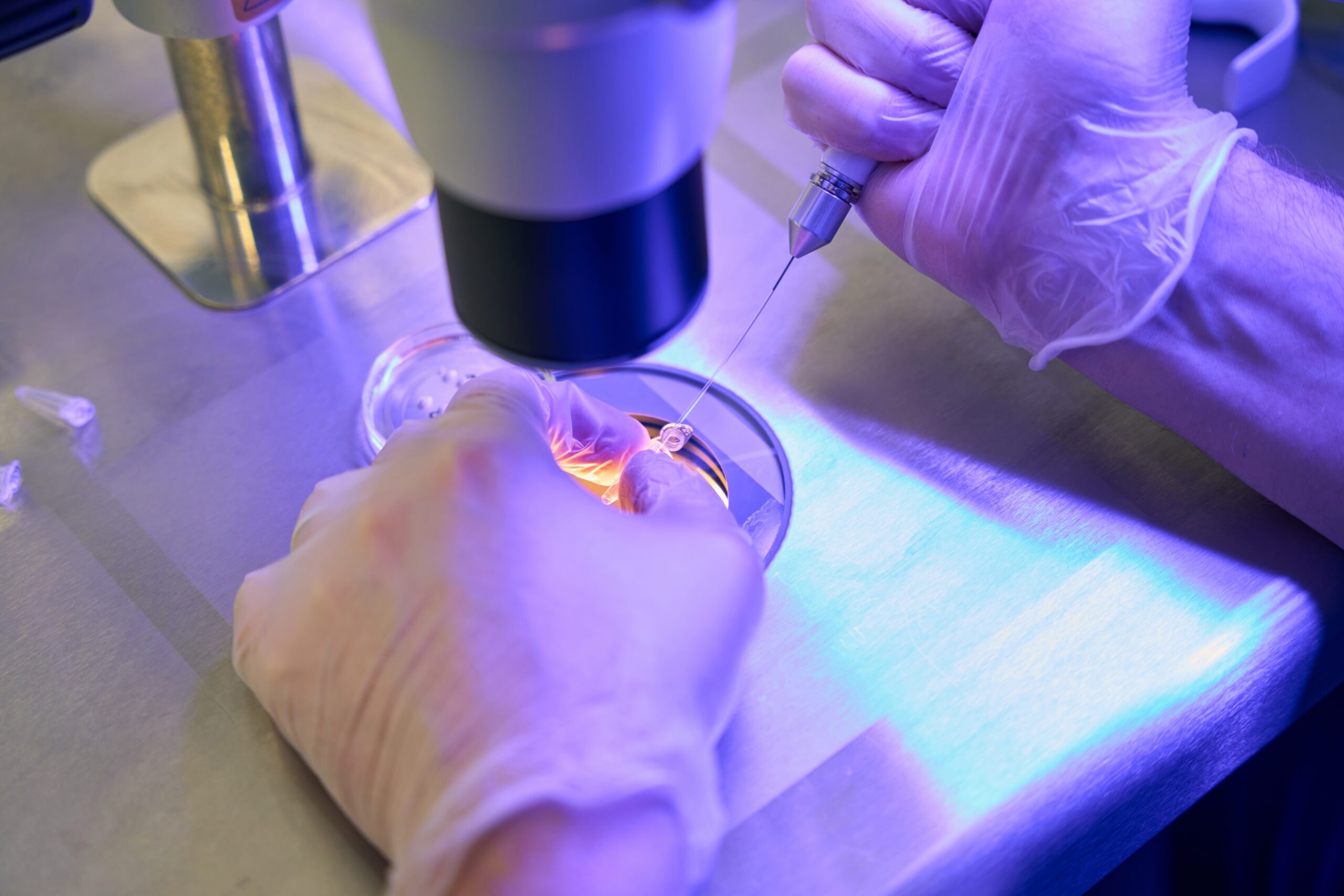
Pre-implantation genetic testing (PGT) involves removing cells from embryos created through IVF and testing them for genetic conditions before deciding which embryos will be transferred to a woman.
Malta introduced PGT in 2022, initially permitting embryos to be screened for nine conditions. The Government now intends to add another 17 conditions.
The development is particularly significant in Malta, traditionally one of Europe’s strongest pro-life countries. Abortion remains a criminal offence except under a narrow provision introduced in 2023 concerning serious threats to a pregnant woman’s life or health.
Malta’s protection of unborn life does not extend equally to embryos created through IVF. While deliberately ending an unborn child’s life through abortion remains generally prohibited, live embryos can be tested and destroyed because they possess particular genetic characteristics.
“Medical advancement must be consistent with the dignity and human rights of persons with disability,” TSA said. “Disability must not be framed as a life to be avoided.”
TSA warned specifically about the “human-rights implications of state-supported selection based on disability-related characteristics,” pointing to Article 10 of the UN Convention on the Rights of Persons with Disabilities, which recognises the inherent right to life of persons with disabilities.
MFOPD president Marthese Mugliette similarly warned that widening genetic screening “may imply that disabilities should be avoided,” potentially making disabled people feel less accepted by society.
“MFOPD believes that every person, with or without a disability, has equal dignity and value,” she said.
Rather than attempting to prevent disabled people from being born, Mugliette argued that families facing difficulties should receive better healthcare, financial assistance, disability support, and inclusive community services.
The controversy exposes a tension within Malta’s approach to protecting human life.
Genetic testing does not treat the embryo diagnosed with a condition but leads to their death. Multiple embryonic human beings are created so that ‘suitable ones’ can be selected for transfer.
Speaking on the matter, SPUC’S Communications Manager Peter Kearney said: “For a country that continues to recognise the destruction of unborn life through abortion as a serious matter of law, allowing doctors and embryologists to select against embryonic human beings because of disability raises a question: why should the dignity of an unborn child depend upon whether that child is inside or outside the womb? The unborn child is an innocent party in the vain eugenic projects of scientists who are more interested in creating children they see as “lovable” than loving children who really need them.”
He continued: “Even supposed bastions of truth in the West, like Malta, have fallen for the lie that embryonic life is disposable. It is not. The disability groups of Malta should be heeded and the 2022 PGT moves should be reversed.”