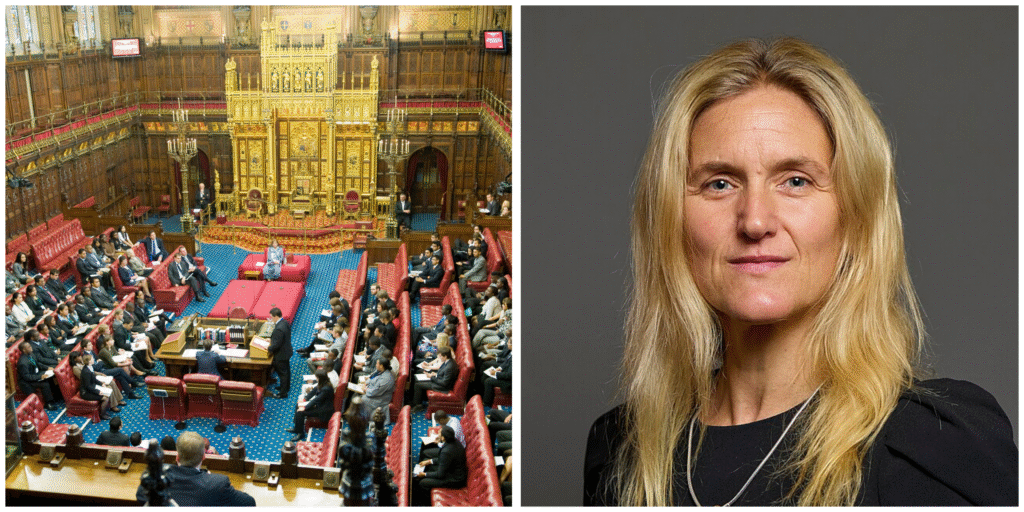
The Health Secretary was left speechless after being asked to consider whether the introduction of assisted suicide in England and Wales would be safe, exposing serious weaknesses at the heart of Kim Leadbeater’s Terminally Ill Adults (End of Life) Bill.
Appearing before the House of Commons Health and Social Care Committee, Wes Streeting, who is personally opposed to the bill but bound by the Government’s declared neutrality, fell conspicuously silent when asked directly whether the legislation could be safely implemented. After a long pause, he avoided answering the question and instead pointed to the poor state of palliative and end of life care in England, warning that people could feel compelled to choose an assisted suicide because adequate care is not available.
If passed, the bill would allow terminally ill adults with fewer than six months to live to apply for an assisted death, subject to approval by two doctors and a panel including a psychiatrist, a senior legal figure, and a social worker. Crucially, it also contains an automatic commencement clause, meaning its provisions would come into force after four years regardless of whether improvements in palliative or social care have been achieved.
That clause was central to questioning from Labour MP Josh Fenton-Glynn, who highlighted the current workforce crisis in health and social care and what he described as a postcode lottery in palliative provision. He asked whether it was safe to pass legislation that would automatically activate against such a backdrop. Mr Streeting again refused to give a clear answer, responding only that the decision was for Parliament, and repeatedly sheltering behind the claim of Government neutrality.
When pressed further, the Health Secretary conceded that England is not currently in a position where high quality palliative care is universally available. He said he would want to ensure that no one felt driven towards assisted suicide due to the absence of proper care, effectively admitting that this risk is real under present conditions. At one point, he even jokingly appealed to his permanent secretary to intervene and end the line of questioning.
This exchange is deeply troubling. Assisted suicide is routinely sold as a matter of choice and compassion, yet the Health Secretary acknowledged that systemic failures could coerce people into death rather than care. If the Secretary of State for Health cannot say the bill is safe, Parliament should take that warning seriously.
SPUC’s CEO, John Deighan, says, “The dismay on the face of the Health Secretary confirms a fundamental truth. Assisted suicide will never be safe. Modern society is rife with inequality and fear. Legalising it would not expand choice, but expose the sick, disabled, and elderly to new and deadly risks. SPUC reaffirms its plea to Parliament: reject the bill and focus instead on ensuring that no one is ever made to feel that their life is no longer worth living.”
If you’re reading this and haven’t yet donated to SPUC, please consider helping now. Thank You!