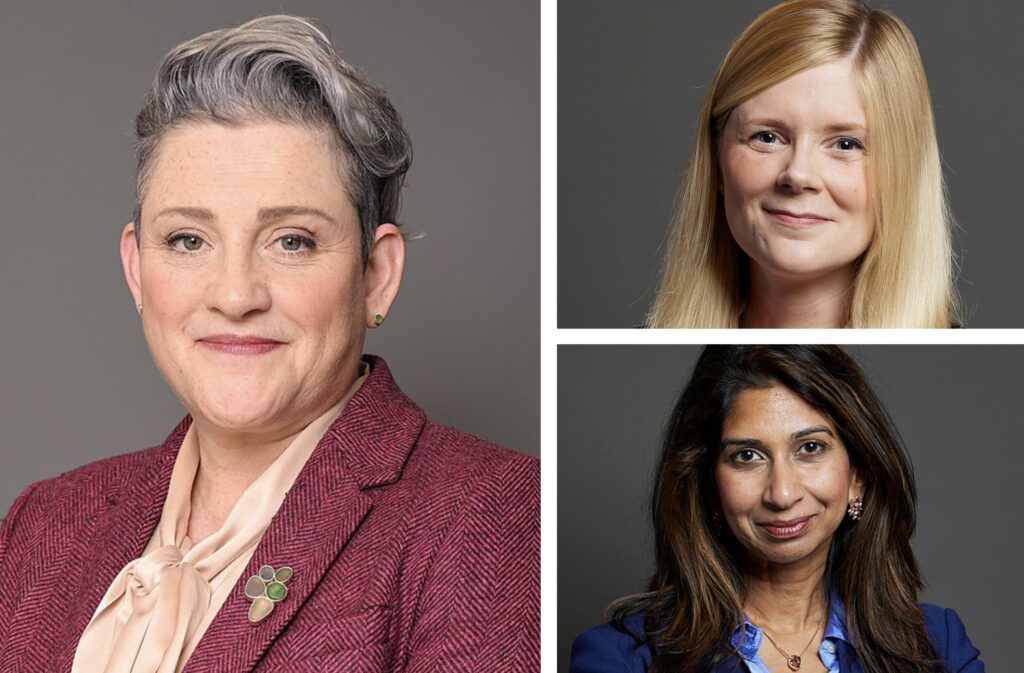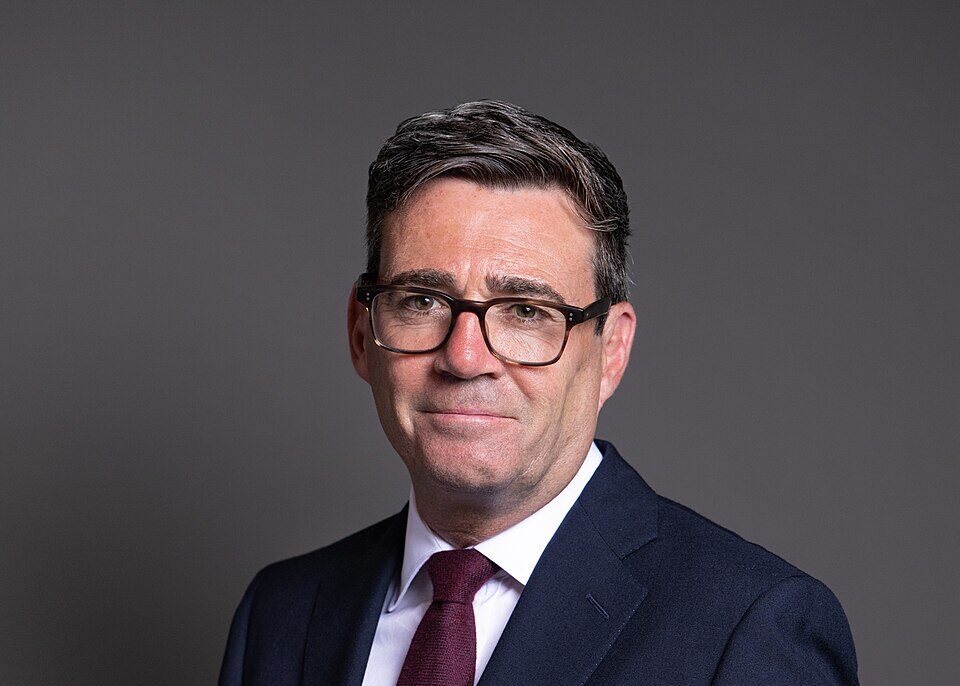
Image source: UK Parliament | (L) Ashley Dalton MP, (R) Sir Julian Smith MP
A Labour MP living with incurable cancer has warned parliament against reviving the controversial assisted dying bill, saying the proposed legislation was deeply flawed and risked creating dangerous unintended consequences for vulnerable people.
Ashley Dalton, the MP for West Lancashire and a former public health minister, revealed this week that she is living with metastatic breast cancer that has spread throughout her body. Despite her terminal diagnosis, Dalton urged MPs not to bring back Kim Leadbeater’s assisted dying bill through a new Private Member’s Bill in the next parliamentary session.
The Terminally Ill Adults (End of Life) Bill failed to complete its passage through parliament after it ran out of time in the House of Lords, where peers tabled more than 1,000 amendments amid concerns over safeguards and legal uncertainties.
Supporters of assisted suicide are now hoping to revive the legislation through Thursday’s Private Members’ Bill ballot, potentially using the Parliament Acts to override opposition in the Lords.
But Dalton, 53, said it would be “really foolish” to bring back legislation that had already proven “so difficult, so divisive and so complicated”.
“I’ve got incurable but treatable breast cancer,” Dalton said, explaining that doctors discovered her cancer after finding a tumour on her ovaries, which later turned out to be breast cancer that had spread throughout her body.
Her cancer is “triple negative,” meaning it does not respond to hormone treatment. After ten months on oral chemotherapy, she has now begun intravenous chemotherapy after the first treatment stopped working.
Although Dalton said she is not “dogmatically against” assisted suicide in principle, she became increasingly concerned about the bill as it progressed through parliament. She said key amendments that could have strengthened safeguards were repeatedly rejected.
By the time of the third reading, she described the legislation as “a pretty dangerous set of affairs.”
“A lot of amendments were rejected that I think could have made it a lot stronger,” she said. “It is our responsibility as members of the Houses of Parliament to make good law.”
Dalton also warned against legislation that could place pressure on vulnerable people who may already feel like a burden because of illness, disability, or dependency.
Her intervention has added significant weight to growing criticism over attempts to legalise assisted suicide through the Private Members’ Bill process rather than through full government legislation.
Writing for ConservativeHome, former Conservative Chief Whip Sir Julian Smith similarly warned that assisted dying was “far too serious for a Private Member’s Bill”.
Smith argued that such a profound change to the relationship between “patient, doctor and state” required full government scrutiny, impact assessments, and a democratic mandate through a general election manifesto.
“The process failed completely,” he wrote.
He criticised the previous bill for containing 42 delegated powers, meaning major details would have been decided later by ministers rather than properly debated by parliament. He also noted that no Royal College supported the legislation, while disability groups, palliative care specialists, and safeguarding organisations all raised serious concerns.
Like Dalton, Smith warned that compassion alone was not enough justification for changing the law.
“We must also think of those that may be given little choice,” he wrote.
Commenting on the statements from each MP, SPUC CEO John Deighan said: “Firstly, we would like to thank Ashley Dalton for her bravery in speaking out about the dangers of assisted suicide whilst suffering with terminal cancer herself. She is breaking the false narrative of the death lobby that this is in the interests of ill and dying people. Ultimately the comments from two former ministers rejecting the notion that this nation should have assisted dying is necessary. They have been in positions of government where they will have had to think about serious ways to meet public need: clearly assisted suicide is not a way to do that.
“Today’s private member’s ballot should not be used to resurrect this dangerous legislation.”