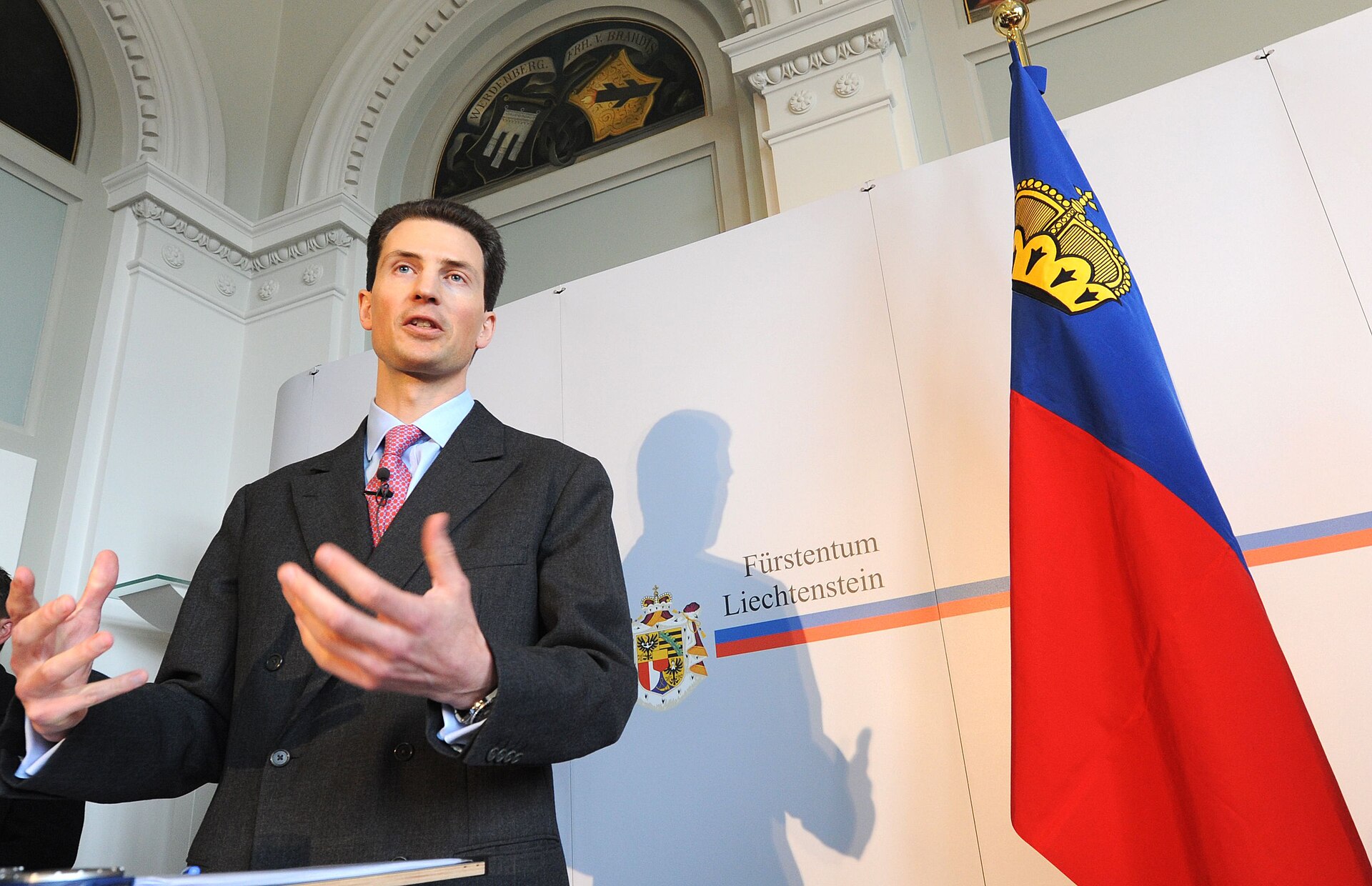
Image: Wikimedia Commons- Hereditary Prince Alois of Liechtenstein
Liechtenstein’s Hereditary Prince Alois has vetoed legislation that would have decriminalised abortion during the first 12 weeks of pregnancy, preserving the Alpine principality’s existing legal protections for unborn children.
The decision, announced on Tuesday 21st October, blocked a reform approved by the country’s parliament in September. The bill had been proposed by the Fristenlösung citizens’ initiative, which gathered almost 5,000 signatures, representing around a quarter of Liechtenstein’s registered voters.
The proposed changes would have removed criminal penalties for abortions carried out during the first 12 weeks of pregnancy and lifted restrictions on providing information about abortion. Under current law, abortion is generally prohibited, with exceptions including circumstances in which the pregnant woman’s health is seriously threatened or the pregnancy results from sexual violence.
Doctors who carry out unlawful abortions can face prison sentences of up to three years, while women who undergo abortions outside the permitted exceptions can also face criminal penalties. Since 2015, however, women have been able to travel abroad for abortions without facing punishment for doing so. Many travel to neighbouring Austria or Switzerland.
The bill passed Liechtenstein’s 25-seat parliament, the Landtag, by 13 votes to 12. A subsequent proposal to put the issue to a referendum was rejected by the same margin, meaning the legislation was sent to the hereditary prince for approval.
The princely household said the proposed reform was “not suitable for adequately protecting unborn life as a central legal interest”. Prince Alois had signalled his opposition in June, making the veto widely anticipated.
The decision marks the first time the hereditary prince has used his absolute veto to block legislation. His authority to exercise the veto was confirmed in a 2012 referendum, reflecting Liechtenstein’s distinctive political system, which combines parliamentary democracy with a monarchy retaining extensive executive powers.
The princely household said it remained open to efforts to improve information, care, and assistance for women before, during, and after pregnancy. It also expressed support for initiatives to strengthen the support available to expectant mothers.
SPUC’s Executive Director, Michael Robinson, said: “This is a significant moment for the protection of life in Europe. Every human life has inherent value, and that value does not depend on a child’s stage of development or the circumstances of their conception.
“Women facing difficult pregnancies deserve compassion, practical help, and support. A society committed to protecting life must stand alongside mothers and families in need, ensuring that no woman feels abortion is her only option. We hope Liechtenstein will continue to strengthen support for women and families while upholding the dignity of unborn children.”