MPs voting against the assisted suicide bill have warned that the “NHS should be saving lives, not taking lives”, as the risks to the most vulnerable were highlighted during a debate at Westminster. The debate concluded with the Terminally Ill Adults (End of Life) Bill being voted down by 286 to 270 votes.
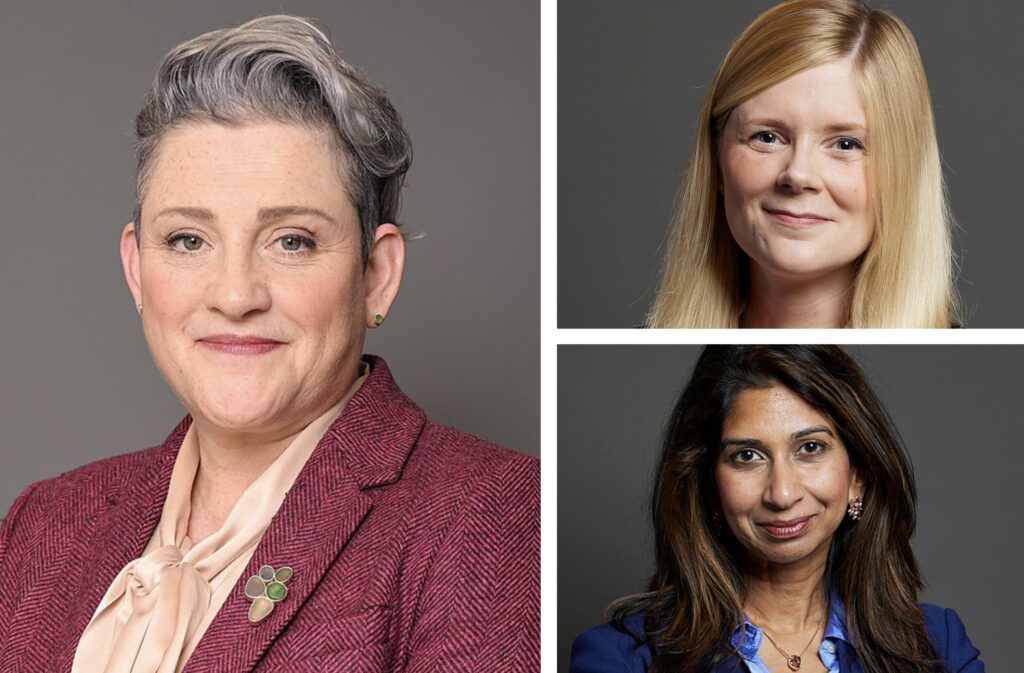
MPs voting against the assisted-suicide Bill have warned that its safeguards are inadequate, prognosis is unreliable and Britain’s shortage of palliative care leaves patients without a genuine choice. Dr Zubir Ahmed drew upon his experience as a doctor and government minister to make a forceful case against the legislation.Ashley Dalton, who has terminal breast cancer, offered an intensely personal warning. She told MPs that suicide risk is highest after a serious diagnosis and acknowledged that she had considered bringing her own death forward. Depression, however, is common and treatable, while mental capacity and good mental health are not the same. Dalton said the proposed panel was not equivalent to a proper multidisciplinary medical team. She also challenged the Bill’s six-month eligibility criterion, noting that doctors cannot reliably predict whether somebody has months or years left.
Rejecting frightening portrayals of natural death, she said patients had been “terrorised” with extreme stories presented as commonplace. “A terrible death or an assisted death is not a choice, it is a threat,” she warned. “My days may be numbered, but that doesn’t mean I want this House to rush through bad law so that I may see it.” Josh Fenton-Glynn said that although he supported assisted dying in principle, he could not support legislation that failed to protect vulnerable people. “We do not have a universal offer of palliative care in this country,” he said.
Dr Andrew Murrison warned the Bill would place substantial pressure on palliative-care professionals and leave “a grisly trail of unintended and unforeseen consequences”.Shivani Raja argued that Parliament should repair palliative care before facilitating assisted deaths. “Ultimately, the NHS should be saving lives, not taking lives,” she said.Julie Minns recalled her mother experiencing severe pain when palliative support was available only during working hours. She questioned how assisted death could be prioritised while essential care remained inaccessible.
Abena Oppong-Asare said dignity meant being supported and well cared for, warning that poverty or treatment costs must never push somebody towards death.Janet Daby, who previously backed the Bill, said she would now oppose it because of risks facing ethnic minorities and people susceptible to coercion.Psychiatrist Dr Ben Spencer identified a dangerous “blind spot” in treating a wish to die as settled and irreversible. Ordinarily, he said, someone expressing suicidal thoughts would be offered psychiatric care—not directed towards an assisted-dying specialist.
The vote was welcomed by SPUC CEO John Deighan who said;
“This is a huge relief. Parliament has stepped back from the very brink in rejecting this Bill which would have put vulnerable people at incredible risk. We now call on politicians to put this dangerous idea to bed for good, and to work for the good of all – especially on finding solutions to the problems with palliative and end of life care.”
Mr Deighan added; “I particularly want to thank our own supporters. You played a crucial role in this. Thank you so much for all your work on this. Everything you have done to lobby MPs and then peers, and to spread the word in your communities, really has made a difference.”