Image Source: UK Parliament
On Friday the Terminally Ill Adults (End of Life) Bill failed to pass its second attempt Second Reading in the House of Commons by a margin of just sixteen votes, 286 to 270.
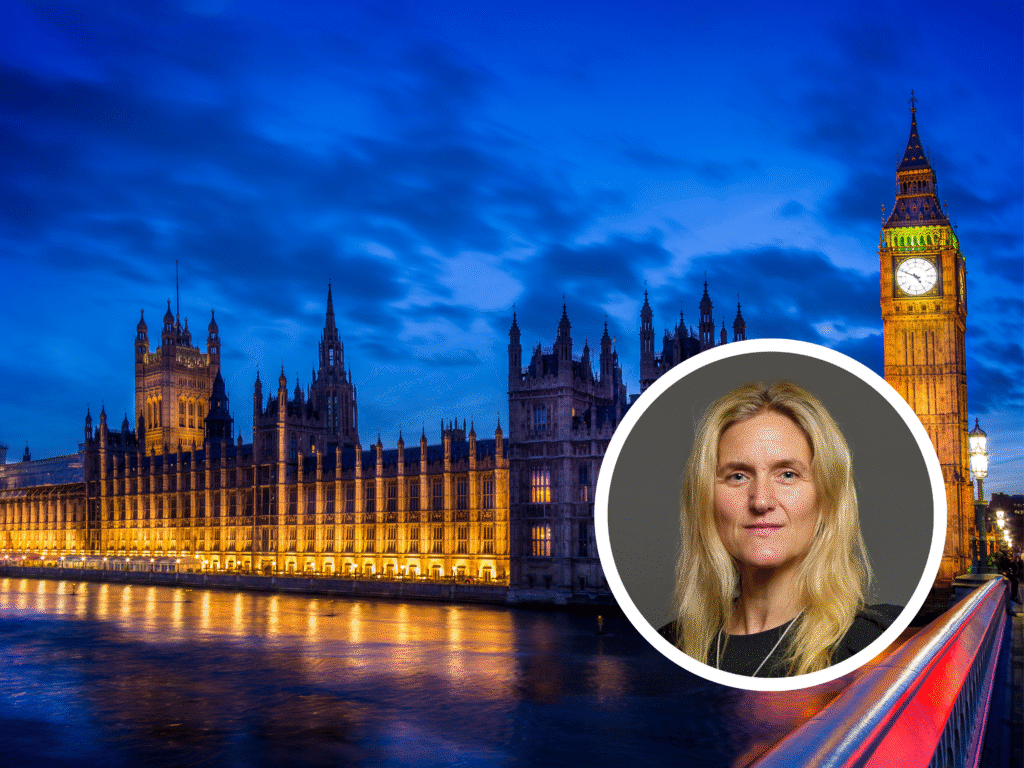
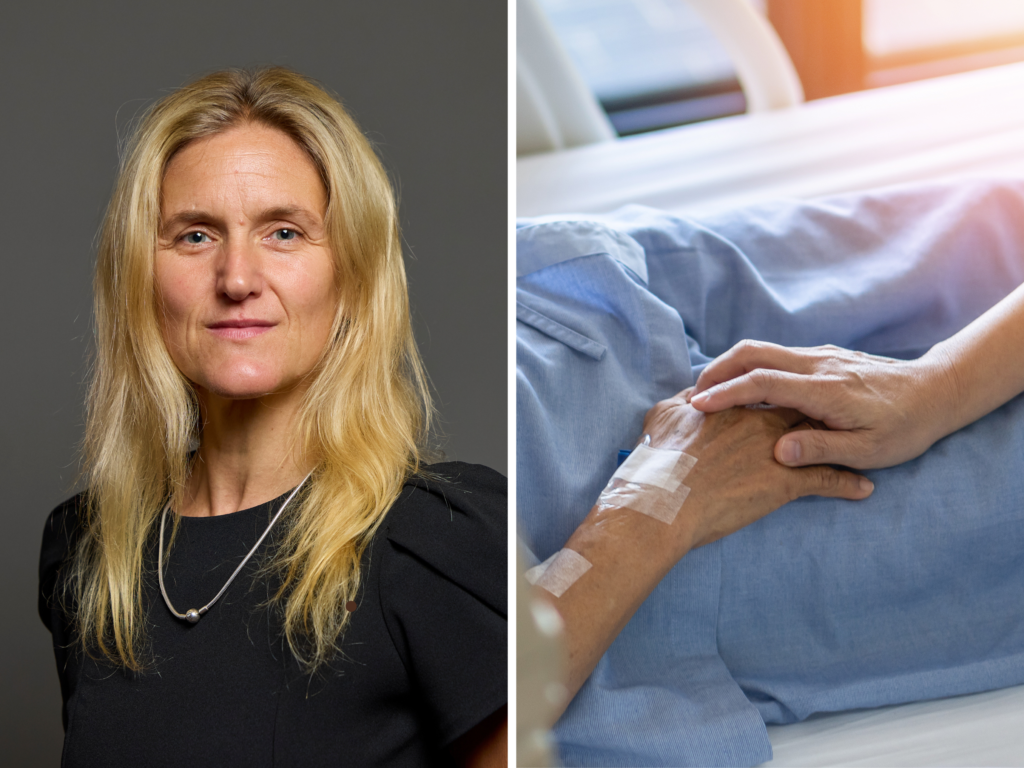
During the heated debate on the issue, which could have led to the biggest social change in Britain since the passage of the Abortion Act in 1967, two contributions from Labour MPs were very notable: that of Ashley Dalton, MP for West Lancashire; and that of Claire Hazelgrove, MP for Filton and Bradley Stoke.
Ashley Dalton had become a leading voice against assisted suicide after publicly revealing her own terminal cancer diagnosis. In her speech to the House on Friday, she spoke of how the scaremongering by the death lobby threatens those with terminal illnesses and their already volatile mental health.
She said, “It is being implied that a person with a terminal illness will have a dreadful, painful death unless they have access to assisted dying. I have been terrorised with tales of people vomiting up their own faeces as if this is commonplace during death. It is vanishingly rare.”
Speaking of the impact such legislation could have on the mental health of the dying she said, “Suicide risk is highest immediately after diagnosis, and it usually falls quickly after three to six months. Clinicians are trained to prevent suicide in people with terminal illness.”
She then mentioned the worry of allowing those with previously unmet mental health needs access state sanctioned suicide post-terminal diagnosis, highlighting that though the Bill spoke of mental capacity it did not speak of mental health.
Her contribution ended with a stark rebuke to the House, many of the members of which were still debating assisted suicide on principle: “This House is not a debating society, it’s about making good law.”
Some say it was her speech that clinched the swing that brought the Bill down.
A far less inspiring contribution came from Somerset Labour MP Claire Hazelgrove, who tried to use her own mother’s suicide—which she called a choice “to bring her late-stage terminal illness to an end”—as an anecdote to convince Parliament to support flawed Bill.
She claimed that “not all pain can be palliated,” saying “I will not forget seeing her writhing and screaming in pain, at points for weeks.”
She followed this up by the story of appropriate drugs palliating that exact pain well enough for her mother to be discharged from hospital.
Hazelgrove claimed that “the status quo meant that mum died alone, with photos of us around her.”
The status quo did not kill her mother. Despair led her mother to kill herself.
Towards the end of her excellent defence of life, Ashley Dalton bemoaned those who were voting yes in spite of the contents of the Bill before them, instead of because of it. Claire Hazelgrove seems to be a guilty party, saying, “If we were to leave it once again to another parliament, it would be too late for other people with terminal illnesses who want this provision too.”
SPUC continues to affirm that feelings of desperation are no excuse for bad legislation.
Whilst not contributing to the debate, another MP displayed how important the cause of life is to her by arriving in the voting lobbies only thirty seconds before the doors were barred. Former Home Secretary and Reform UK MP for Fareham and Waterlooville Suella Braverman was stuck on a delayed train after an engagement in the north of England. She outran her security guards through Green Park and all the way to the Commons to vote against the Bill, making the narrow victory a slightly less narrow one.
The stories of Suella Braverman and Ashley Dalton show not only how flawed the legislation was, but that there are still parliamentarians in Britain who are willing to make sacrifices to protect the vulnerable. Claire Hazelgrove, on the other hand, showed us the dangers of a legalised death service: a society that paints suicide in a positive and noble light. It will never be either.
SPUC’s Executive Director Michael Robinson commented on these stories coming out of Friday’s debate, saying: “SPUC and the other groups who have worked tirelessly to defeat this Bill are incredibly thankful for both Ashley Dalton and Suella Braverman. Dalton’s story is especially pertinent, showing up the lies of Dignity in Dying and their co-conspirators that terminally ill people are unanimous in their support for assisted suicide and that every death is a painful one—we know dignity does not come from killing.”
He continued, “We have consistently said throughout this campaign that it will be a close vote and that mobilising MPs will be necessary for victory. The dedication of Suella Braverman is not just admirable, but vital in legislating for the cause of life. SPUC thanks her too.
“As for Claire Hazelgrove, suicide is wrong. Suicide will always be wrong. And a society that tries to glorify it will endanger every vulnerable person in times of genuine distress. The death Bill is gone; its now time to build a culture of life to prevent this from happening ever again.”