The Association for Palliative Medicine has issued one of the strongest interventions yet in the assisted suicide debate, openly accusing the sponsor of the Terminally Ill (Adults) Bill of misrepresenting its evidence to Parliament. The unusually blunt language has raised eyebrows across Westminster, not least because the APM has historically been careful and restrained when engaging on assisted suicide.
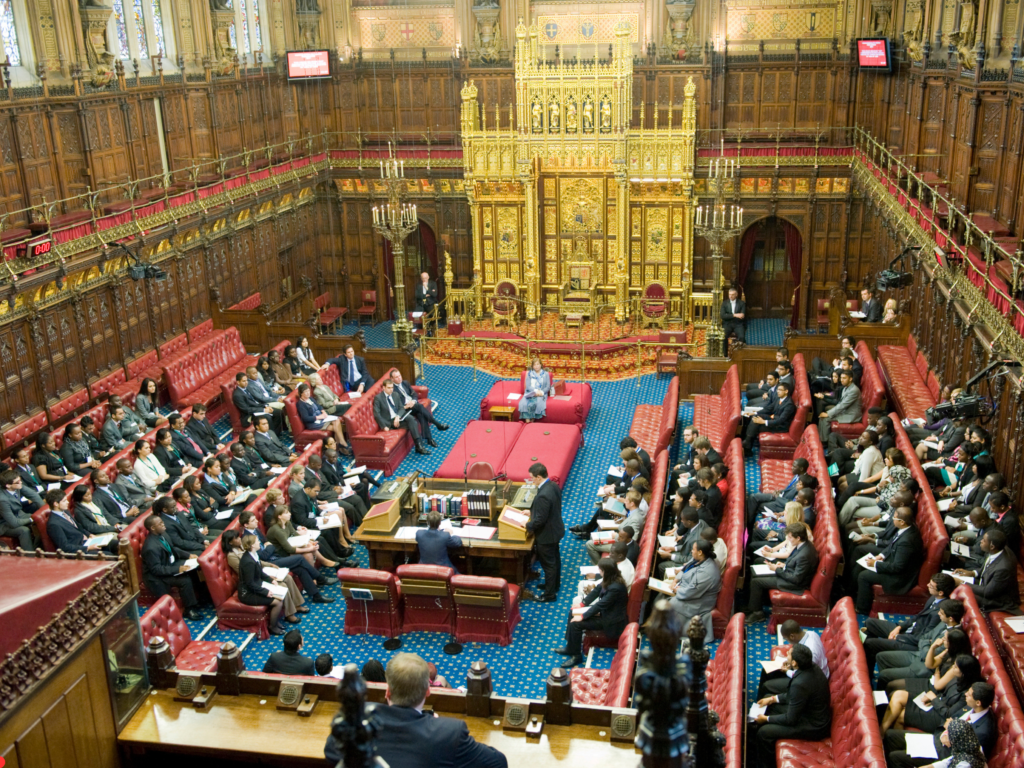
In a clarification issued following last Friday’s House of Lords debate, the APM stated that Lord Falconer had cited, and misrepresented, expert evidence previously presented to the Terminally Ill Adults committee by Dr Sarah Cox, its former president. That evidence, the organisation stressed, was not an endorsement of the Bill’s proposed safeguards, but a warning about what robust clinical decision-making actually requires.
The APM made clear that its evidence emphasised the importance of genuine multidisciplinary clinical teams, in which each professional can perform an in-person assessment the patient. Such decisions, it said, are inherently more robust because they involve direct engagement, professional judgement, and human understanding of the patient’s circumstances.
By contrast, the Bill’s so-called “safeguard”, a panel of “experts”, does none of these things. This panel, which replaced the original requirement for approval by a High Court judge, consists of a psychiatrist, a social worker, and a legal figure. Crucially, its members do not meet the patient. Instead, they review paperwork compiled by others and make a decision at arm’s length.
The APM was scathing about this arrangement. It rejected the suggestion that such a panel replicates a true multidisciplinary model, describing it instead as “a mere administrative review”. Without direct assessment, panel members have no individual clinical perspective to bring to bear on the person applying for an assisted death. The organisation concluded starkly: “A safeguard that deliberately avoids seeing the patient is no safeguard at all.”
The full statement reads:
In Friday’s Lords debate (9/1/26), Lord Falconer cited, and misrepresented, expert evidence presented to the Terminals Ill Adults committee last year by the Association for Palliative Medicine (APM), by Dr Sarah Cox who is our past president.
The APM evidence stressed a fundamental principle: clinical decisions reached by a multiprofessional team, where each member has personally assessed the patient, are inherently more robust than those made in isolation. This direct engagement ensures each professional contributes a unique, individual perspective on the patient’s circumstances.
However, Lord Falconer misrepresented this as being equivalent to the proposed ‘safeguard’ of a panel within the Terminally Ill Adults Bill. This panel fails to replicate a true multidisciplinary model and essential protection. Crucially, panel members would not be required to meet the patient. They would, therefore, have no individual clinical perspective to bring to bear on the person applying for an assisted death. This renders the panel a mere administrative review, stripping it of the very nuance and human understanding that defines robust, compassionate decision-making at the end of life.
A safeguard that deliberately avoids seeing the patient is no safeguard at all.
Executive of the APM
Dr Sarah Cox (Past President)
Dr Suzanne Kite (President)
Dr Paul Paes (Vice-president)
Dr Natasha Wiggins (Treasurer)
Dr Matthew Dore (Secretary)
Commenting on the statement, writer Dan Hitchens highlighted just how extraordinary its tone was. “Confirmed—and in the most forceful language I have ever seen the APM use on this subject,” he wrote. “‘Lord Falconer cited, and misrepresented, expert evidence presented… by the Association for Palliative Medicine.’”
SPUC’s Communications Manager, Peter Kearney, says “At the heart of the APM’s warning is a simple truth: these safeguards are not just weak, but fundamentally misconceived. Decisions about life and death cannot be reduced to box-ticking exercises or remote assessments. A death panel will not work, in the same way a High Court judge wouldn’t have worked. Assisted suicide can never be made safe, and when one of the UK’s leading palliative care bodies feels compelled to speak out in such uncompromising terms, it is a sign that this Bill does a poor job at even trying.”
If you’re reading this and haven’t yet donated to SPUC, please consider helping now. Thank You!